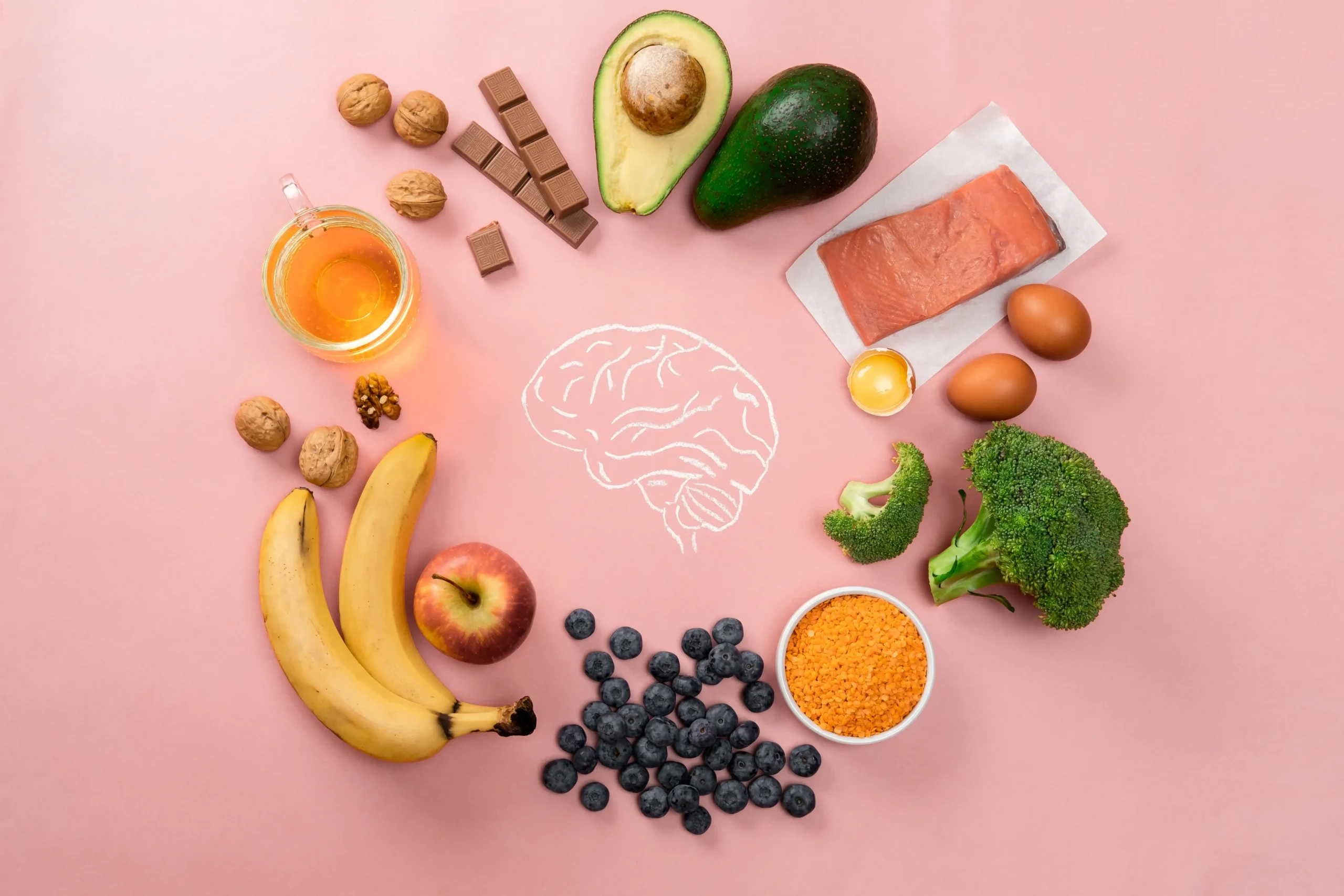
Every few years, the health world latches onto something new. Superfoods. Detoxes. Juice cleanses. Most of it fades. But the conversation around inflammation hasn’t gone away — and there’s a good reason for that.
Chronic inflammation is now linked to heart disease, diabetes, certain cancers, Alzheimer’s, arthritis, and even depression. That’s not fringe science. That’s Harvard, Johns Hopkins, and the National Institutes of Health all saying the same thing: long-term, low-grade inflammation is quietly behind a lot of what makes people sick.
And here’s what every single one of those institutions recommends as the best way to fight it through food: the Mediterranean diet.
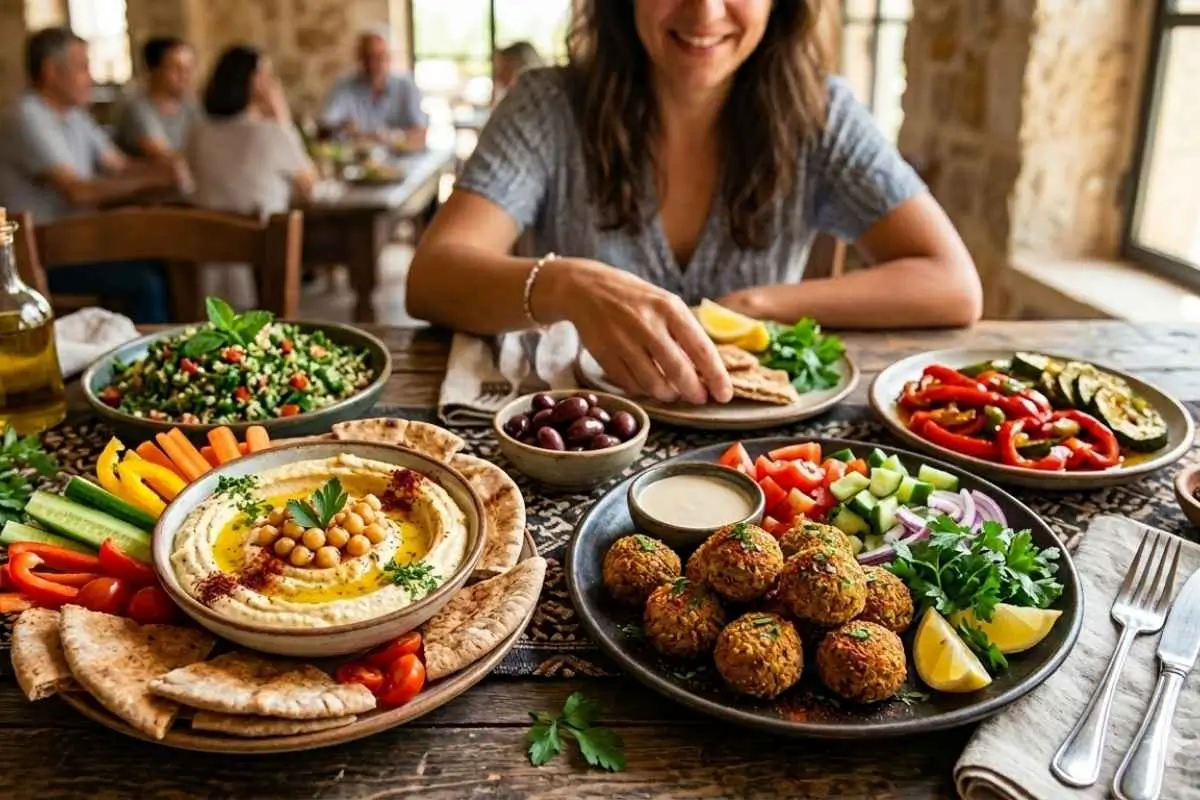
We’ve been cooking Mediterranean food in Houston since 2006. We didn’t start because of some health trend. We started because it’s what we grew up eating — olive oil, chickpeas, fresh vegetables, grilled meats, herbs, lentils, tahini. It turns out the food our grandmothers made is exactly what modern science keeps pointing back to.
So instead of giving you another boring list of “eat salmon and blueberries,” we’re going to talk about anti-inflammatory foods the way we actually know them — as real meals you’d want to eat every day.
Your body uses inflammation to heal. Cut your finger, and inflammation rushes blood and immune cells to the wound. That’s good inflammation. It does its job and goes away.
Chronic inflammation is different. It doesn’t turn off. It sits in your body at a low level, month after month, year after year, slowly damaging tissues, blood vessels, and organs. You can’t feel it happening. There’s no pain. No obvious symptoms. But it’s working in the background.
Research published in the journal Nature Medicine found that chronic inflammation contributes to more than 50% of all deaths worldwide when you account for the diseases it drives — heart attacks, strokes, cancer, diabetes, kidney disease.
The good news? What you eat is one of the most powerful tools you have to control it. Not supplements. Not medication. Food.
And not just any food.
If you’ve spent any time reading about anti-inflammatory diets, you’ve noticed something: the Mediterranean diet comes up every single time.
Harvard Medical School puts it this way — if you’re looking for an eating plan that closely follows anti-inflammatory principles, the Mediterranean diet is your best bet. It’s high in fruits, vegetables, nuts, whole grains, fish, and healthy oils.
But here’s what most of those articles miss. They describe the Mediterranean diet like a checklist. Eat this, avoid that. Very clinical. Very sterile. What they don’t tell you is what it actually looks like on a plate — and why people in Mediterranean and Middle Eastern cultures have been eating this way for thousands of years without thinking about it as a “diet” at all.
Nobody in Lebanon sits down to dinner and says, “I’m following an anti-inflammatory protocol tonight.” They just eat the food. Olive oil on everything. Garlic in everything. Fresh vegetables, legumes, grains, grilled proteins. It’s not a health plan. It’s just dinner.
That’s actually the point. The best anti-inflammatory diet isn’t something you follow. It’s something you eat because it tastes good and happens to be built from ingredients that science has spent decades proving are extraordinarily good for you.
Let’s go through the ones that matter most — and we’ll skip the generic advice and tell you how we actually use these ingredients in our kitchen every day.
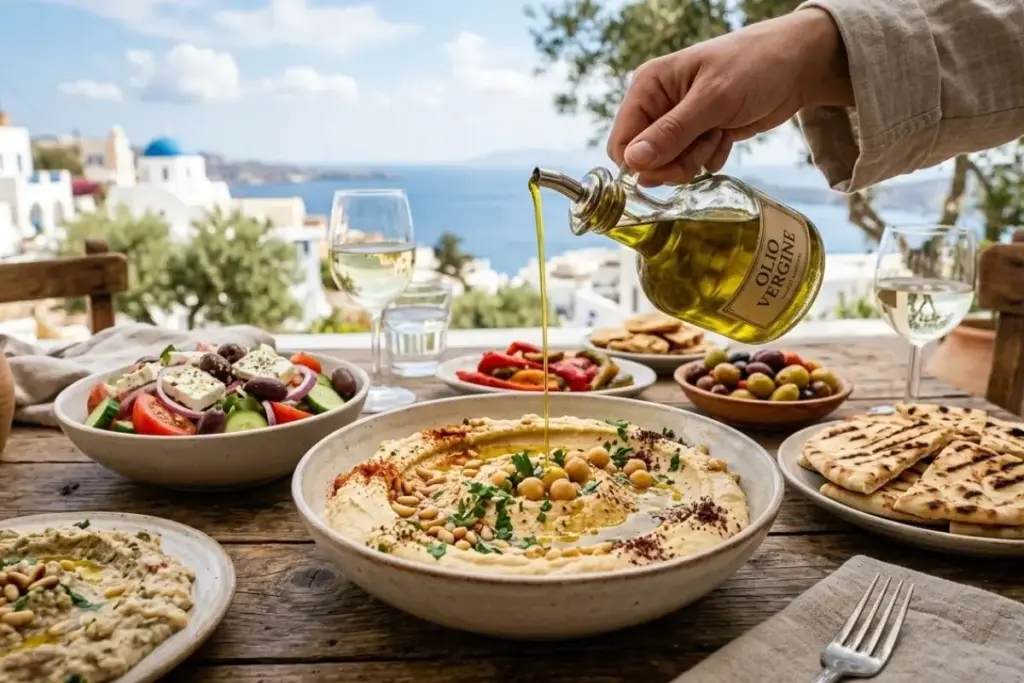
If there’s one food that defines Mediterranean cooking, it’s olive oil. We go through an absurd amount of it. It’s in our hummus, on our salads, drizzled over our soups, used in our marinades, and baked into our bread.
Olive oil contains a compound called oleocanthal that works similarly to ibuprofen — it inhibits the same inflammatory enzymes. One study in the journal Nature found that 50 milliliters of extra virgin olive oil provides roughly 10% of the ibuprofen dose used for adult pain relief. Except you’re getting it from food, not a pill, and you’re getting the additional benefits of monounsaturated fats and polyphenols.
The key word is “extra virgin.” Refined olive oils lose most of these compounds during processing. The good stuff — the kind that has a slight peppery burn in the back of your throat — that burn is actually the oleocanthal. You’re literally tasting the anti-inflammatory compound.
We use it raw as a finishing oil because heat can reduce some of those beneficial properties. A drizzle over hummus, over lentil soup, over a salad — that’s how you get the most out of it.
Every health article mentions berries and salmon when talking about anti-inflammatory foods. And those are great. But chickpeas and lentils deserve way more attention than they get.
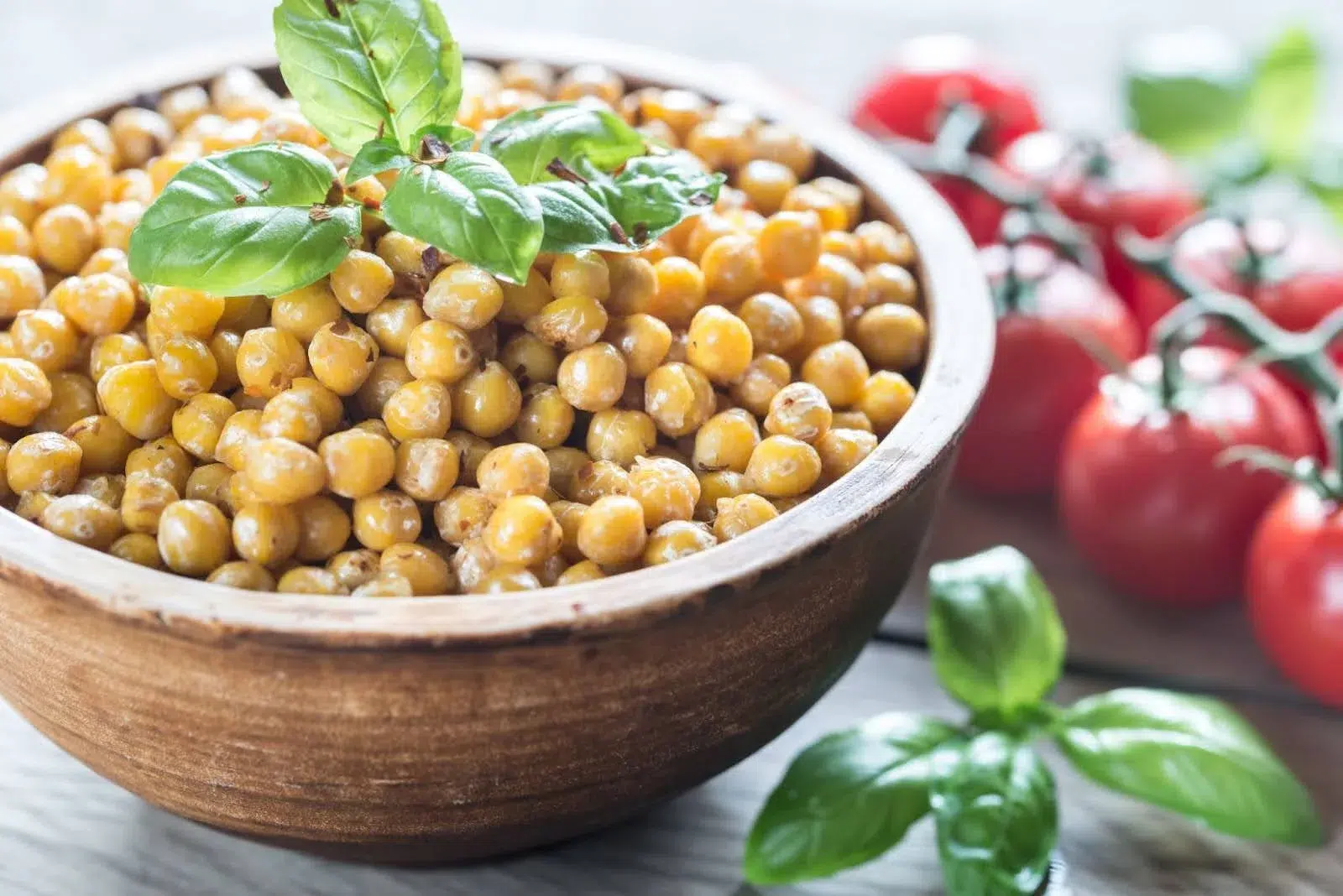
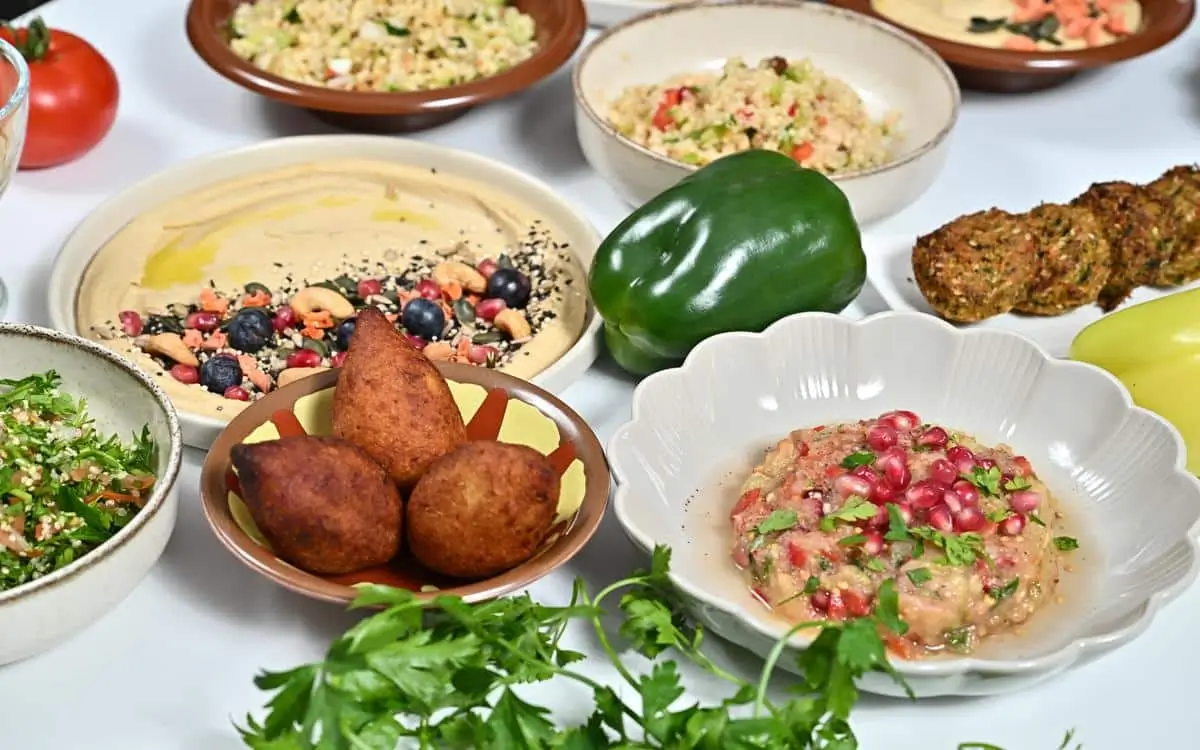
Chickpeas are the base of two of the most consumed foods in Mediterranean cuisine — hummus and falafel. They’re loaded with fiber, plant protein, and polyphenols. A study in the Journal of Nutrition and Metabolism found that regular chickpea consumption was associated with lower levels of C-reactive protein, which is one of the primary markers doctors use to measure inflammation in your blood.
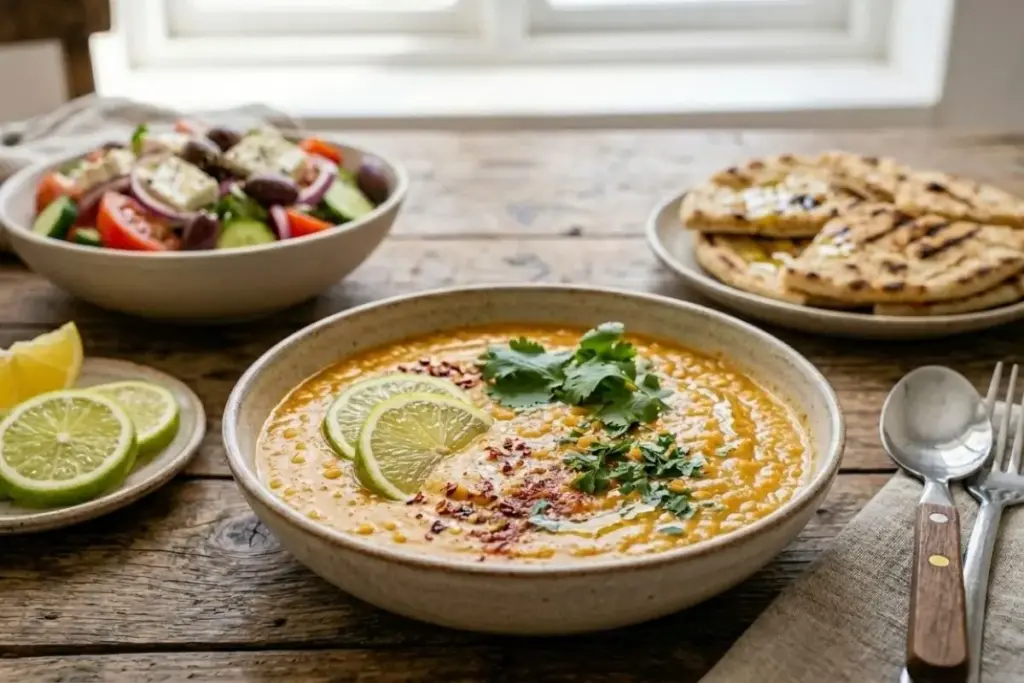
Lentils are similar. High in fiber, high in folate, high in iron, and they’re one of the most affordable protein sources on the planet. Our lentil soup has been on our menu since day one. Same recipe — red lentils, cumin, lemon, olive oil. Simple, cheap, and backed by more nutritional science than most expensive health foods.
The fiber in both of these legumes feeds beneficial gut bacteria, which plays a direct role in controlling systemic inflammation. Your gut microbiome isn’t just about digestion. It’s one of the main regulators of your immune response. Feed it well, and inflammation goes down. Feed it processed food, and it goes up.
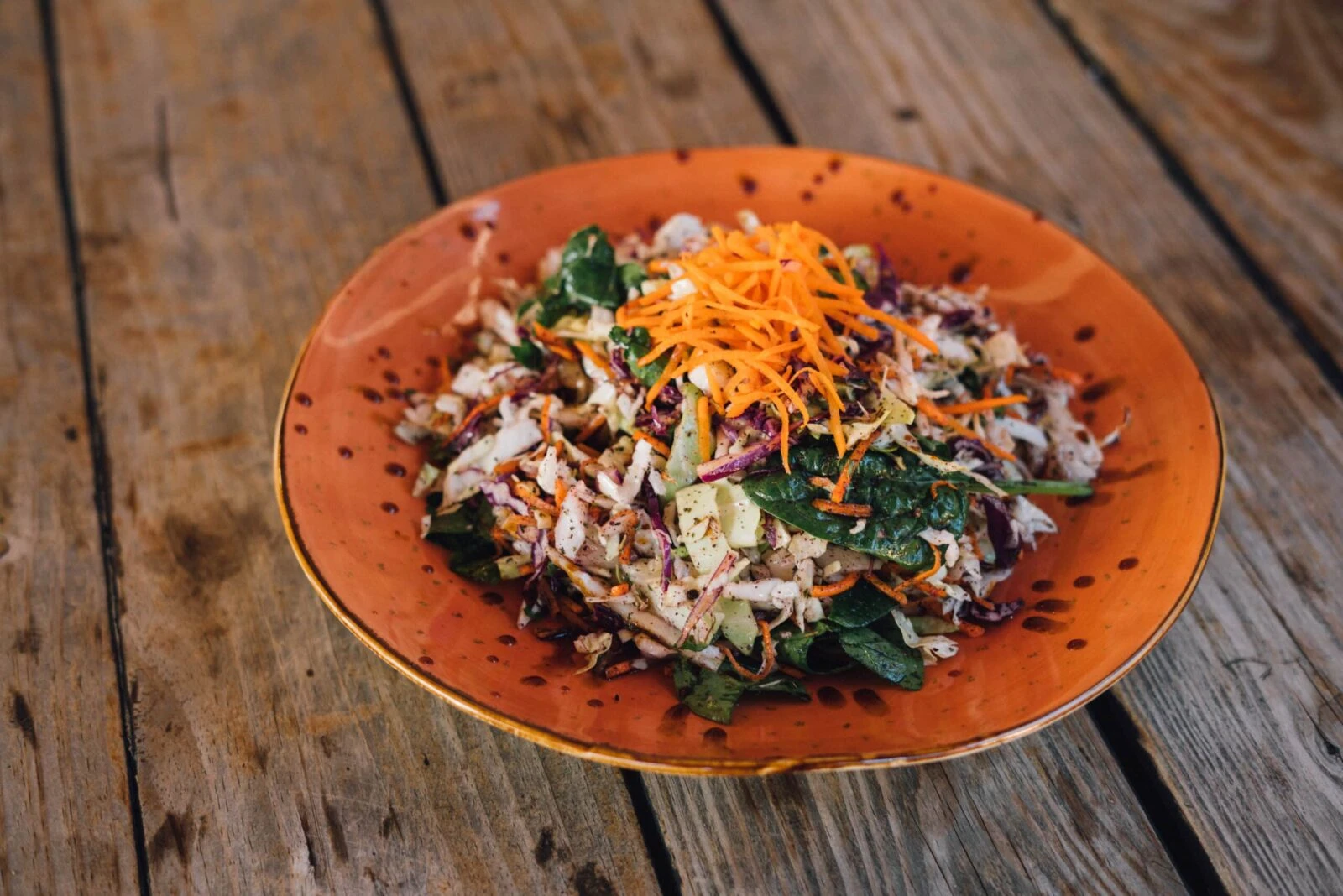
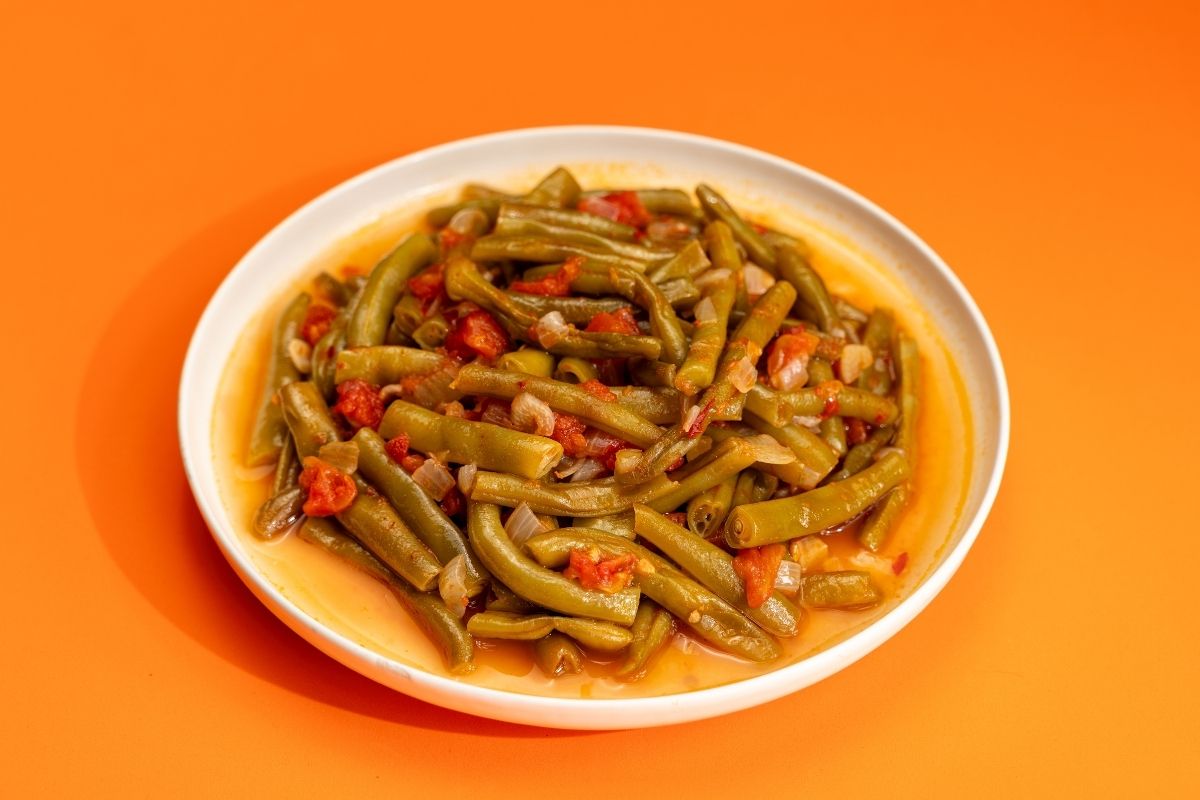
Walk into our kitchen during prep and you’ll see crates of parsley, mint, tomatoes, cucumbers, spinach, and romaine being washed and chopped every morning. Mediterranean food uses an enormous amount of fresh vegetables — not as a side dish, but as a core part of every meal.
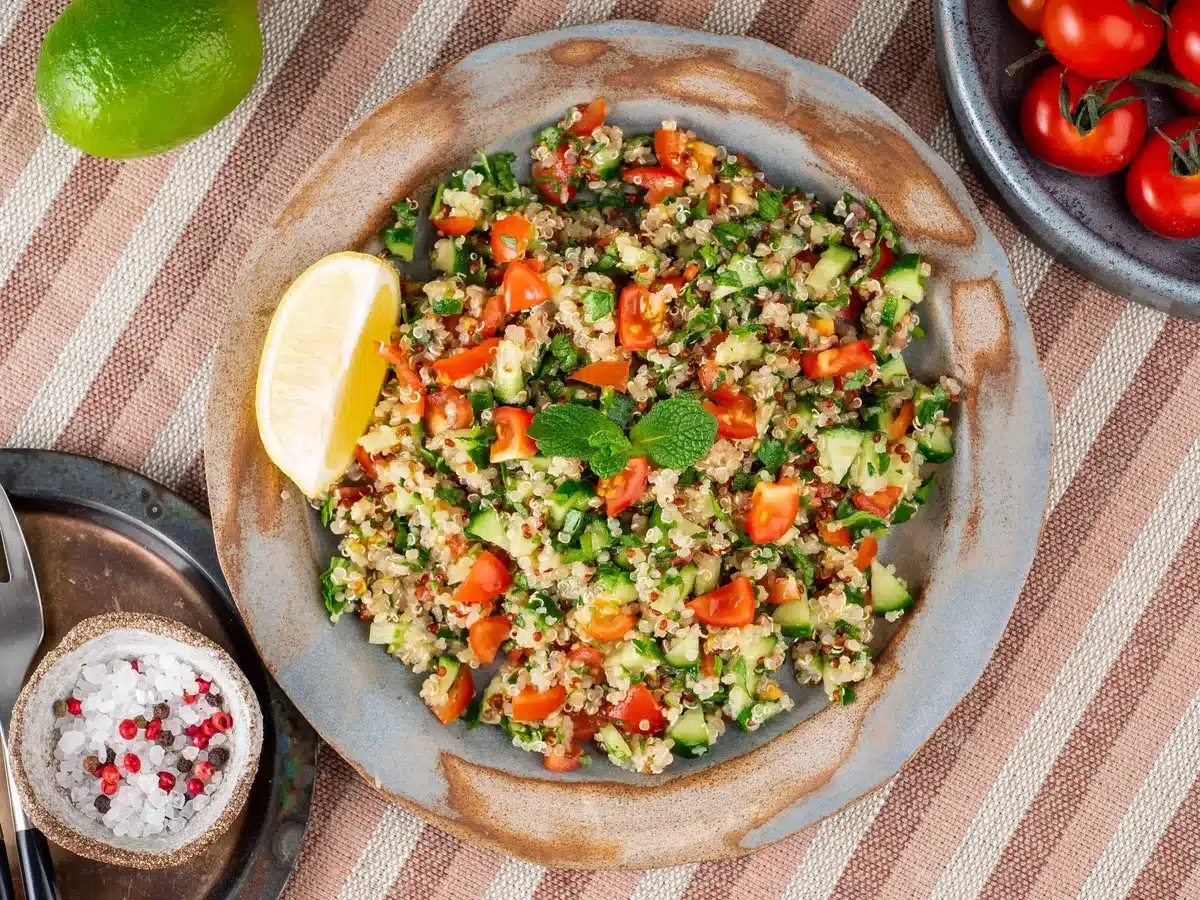
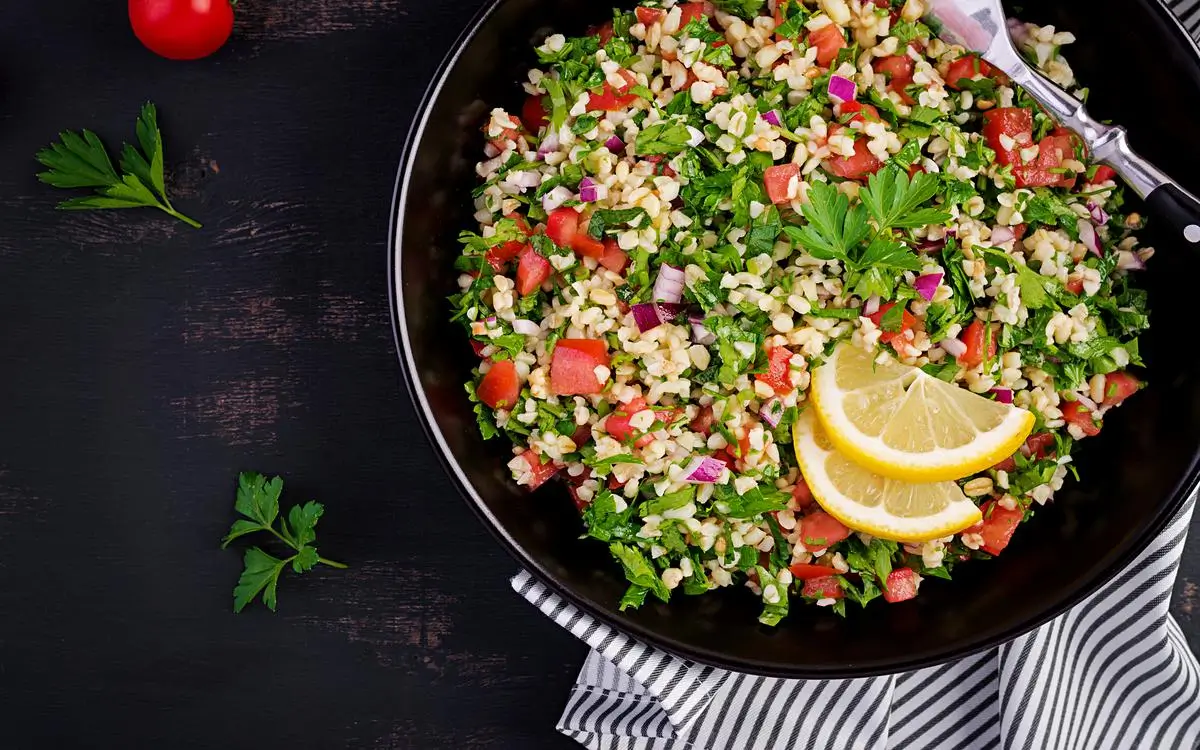
Tabbouleh is mostly parsley. Fattoush is mostly vegetables. Our salads aren’t the kind where you get three leaves of lettuce and a crouton. They’re substantial.
Leafy greens are packed with vitamins A, C, E, and K, plus antioxidants that directly combat oxidative stress. Tomatoes contain lycopene, which is especially effective when cooked with olive oil — the fat helps your body absorb it. We’ve been doing that combination for generations without knowing the science behind it. Turns out our grandmothers were right.
Turmeric gets all the headlines, and it deserves some of them. Curcumin, the active compound in turmeric, has strong anti-inflammatory properties. But it’s not the only spice that matters.
Garlic contains sulfur compounds that modulate immune function and reduce inflammatory markers. We use an unreasonable amount of garlic. Our toum — a Lebanese garlic sauce — is essentially whipped garlic and olive oil. Two of the most potent anti-inflammatory ingredients combined into something so good that people order extra containers of it to take home.
Cumin, which shows up in our lentil soup, falafel, and kabob marinades, has been shown to have antioxidant and anti-inflammatory effects. Sumac, a deep red spice common in Middle Eastern cuisine, is one of the highest-antioxidant spices ever measured — higher than turmeric, actually.
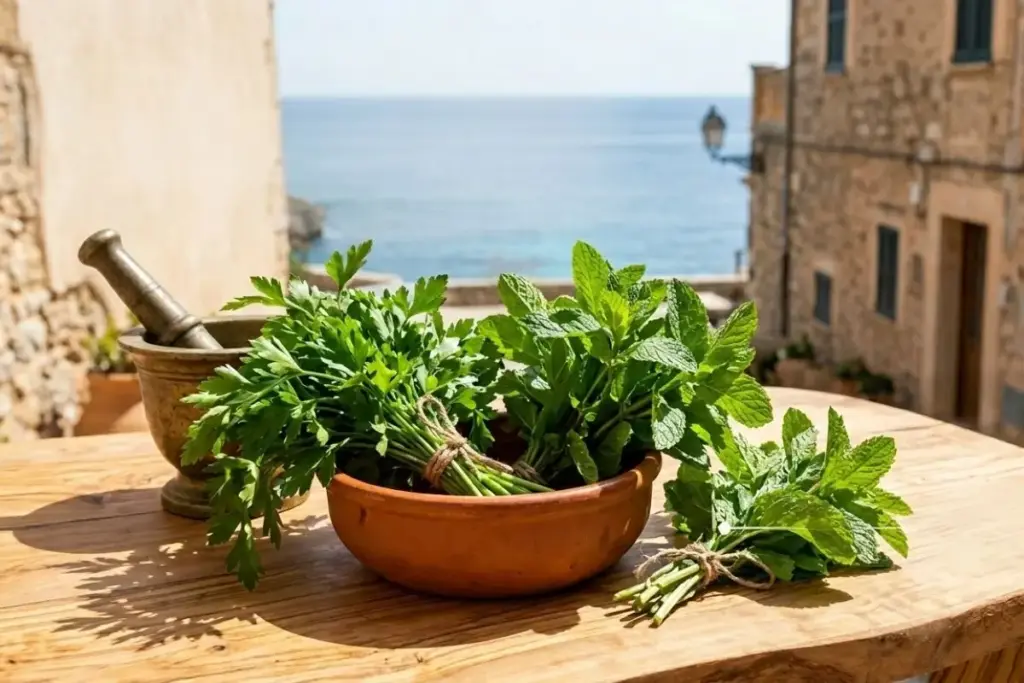
Parsley and mint, which we use heavily in tabbouleh and as garnishes, contain flavonoids that support anti-inflammatory pathways. These aren’t decorations on our plates. They’re functional ingredients that have been used in this cuisine for centuries.
Here’s where Mediterranean cuisine differs from what most anti-inflammatory diet guides recommend. A lot of them lean heavily plant-based and treat all meat like it’s a problem. But the way you prepare protein matters more than whether you eat it.
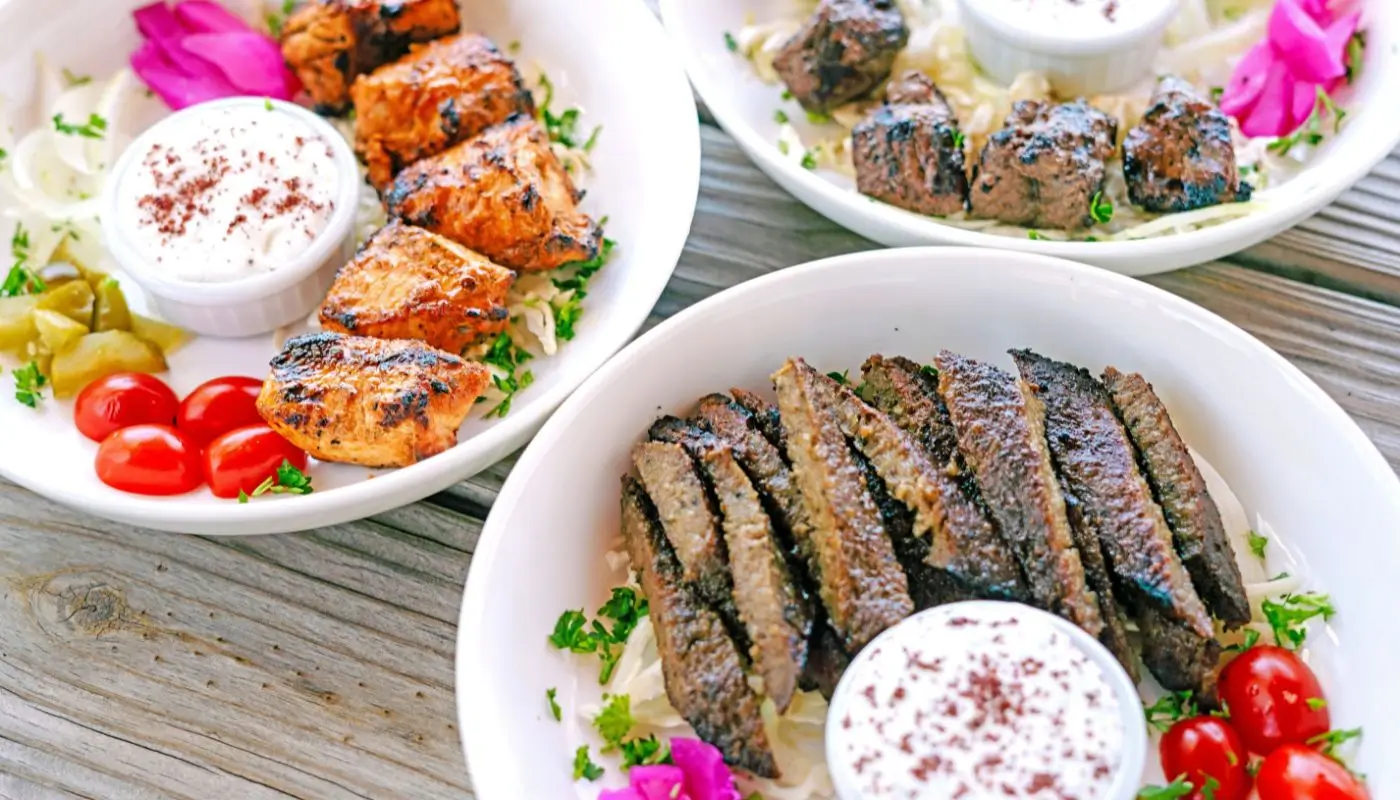
Our chicken kabobs are marinated in olive oil, lemon, and garlic — three anti-inflammatory ingredients — then grilled over open flame. Compare that to a fast food chicken sandwich that’s been battered, deep fried in seed oil, and served on a processed bun. Same animal, completely different impact on your body.
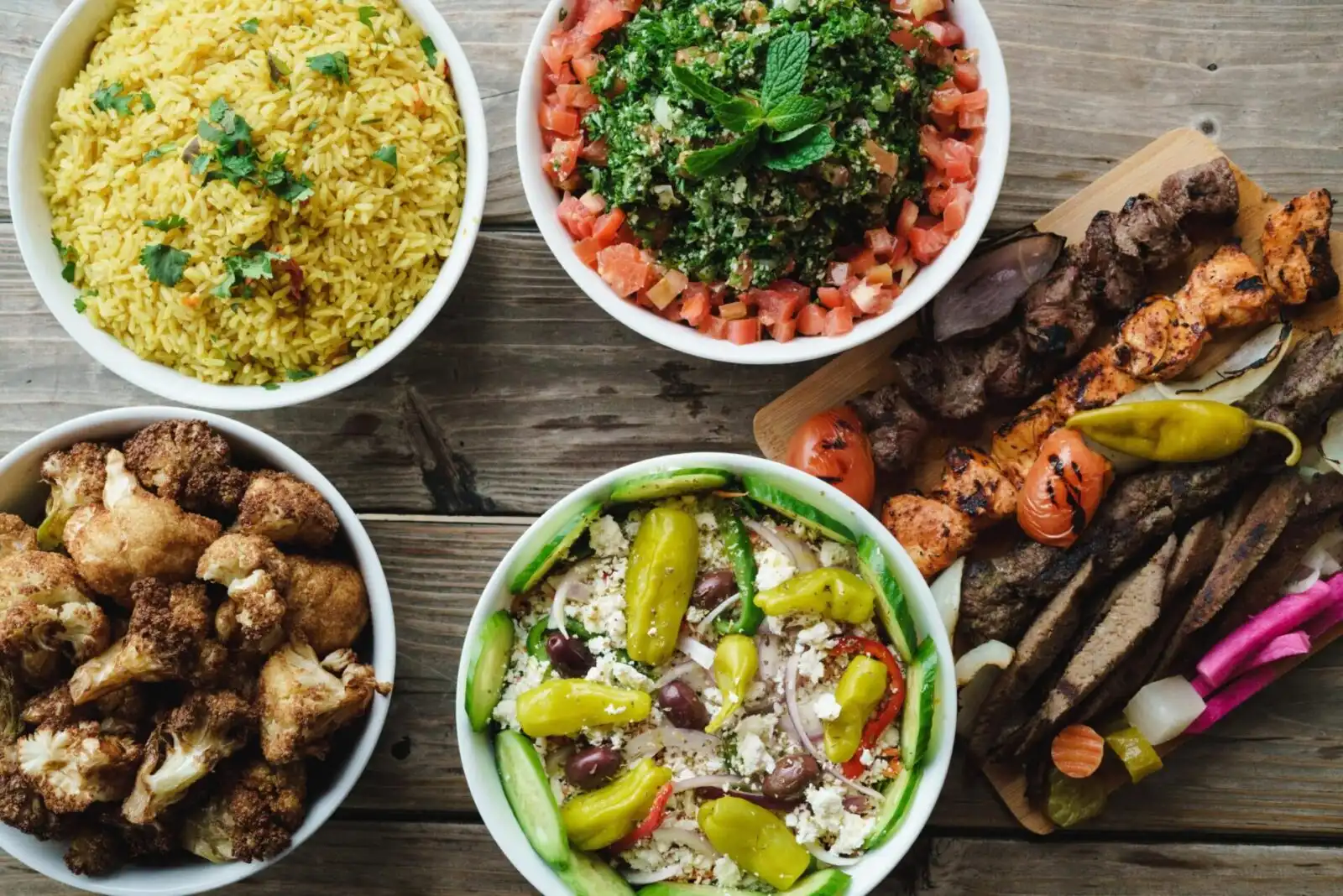
Grilling lean proteins without excessive charring, marinating in olive oil and citrus, and serving alongside vegetables and legumes — that’s the Mediterranean approach. It’s not about eliminating meat. It’s about preparing it in a way that complements an anti-inflammatory eating pattern rather than working against it.
Eating anti-inflammatory foods matters. But so does reducing the foods that drive inflammation in the first place.
The biggest offenders according to research from Harvard and Johns Hopkins: refined sugar, processed seed oils, trans fats, excessive alcohol, white flour, and ultra-processed foods. Basically, the stuff that makes up most of the modern Western diet.
Here’s a useful way to think about it — if it comes in a wrapper with a list of ingredients you can’t pronounce, it’s probably promoting inflammation. If it comes from a kitchen where someone actually cooked it using ingredients that existed 500 years ago, you’re probably fine.
That’s an oversimplification, but it’s directionally correct. And it’s basically the principle behind Mediterranean eating. The ingredients haven’t changed in centuries because they didn’t need to.
You don’t need to throw out everything in your kitchen and start over. Small swaps make a real difference.
Switch your cooking oil. Replace vegetable oil or canola with extra virgin olive oil. This single change swaps a pro-inflammatory fat for an anti-inflammatory one in every meal you cook.
Add legumes to one meal a day. A side of hummus, a cup of lentil soup, chickpeas tossed on a salad. Legumes are cheap, filling, and one of the most effective anti-inflammatory food groups.
Eat more herbs. Fresh parsley, mint, cilantro, garlic. Don’t treat them as garnish. Use them as ingredients. A handful of parsley on a salad changes the entire nutritional profile of that meal.
Reduce the processed stuff gradually. You don’t have to go cold turkey. But every time you swap a packaged snack for a handful of nuts, or a fast food lunch for a grilled chicken plate with vegetables, you’re shifting the balance.
The research is clear that these changes produce measurable results. Studies show that people who adopt a Mediterranean-style eating pattern see reductions in inflammatory markers like C-reactive protein and interleukin-6 within four to eight weeks. That’s not a year. That’s a month or two.
What is the number one anti-inflammatory food?
Extra virgin olive oil is widely considered the single most impactful anti-inflammatory food. It contains oleocanthal, a natural compound that inhibits the same inflammatory enzymes as ibuprofen. Regular consumption of extra virgin olive oil is associated with significantly lower levels of inflammatory markers and reduced risk of heart disease, according to research on Mediterranean diet populations.
What are the 10 most anti-inflammatory foods?
Based on clinical research, the most consistently effective anti-inflammatory foods include extra virgin olive oil, fatty fish like salmon and sardines, leafy green vegetables, berries, chickpeas, lentils, walnuts, turmeric, garlic, and tomatoes. These foods contain compounds that directly reduce inflammatory biomarkers and support immune balance when consumed regularly.
Is the Mediterranean diet anti-inflammatory?
Yes. The Mediterranean diet is the most studied anti-inflammatory eating pattern in the world. Research from Harvard Medical School, Johns Hopkins, and multiple peer-reviewed journals consistently shows that the Mediterranean diet reduces chronic inflammation markers including C-reactive protein and interleukin-6. It emphasizes olive oil, legumes, vegetables, whole grains, and lean proteins.
Can food really reduce inflammation?
Extensive clinical research confirms that dietary patterns directly influence inflammatory markers in the body. Studies show that switching from a Western diet high in processed foods to a Mediterranean-style diet rich in whole foods, healthy fats, and plant-based ingredients produces measurable reductions in inflammatory biomarkers within four to eight weeks.
What foods make inflammation worse?
The primary drivers of dietary inflammation include refined sugar, ultra-processed foods, trans fats, excessive omega-6 fatty acids from seed oils, white flour, processed meats, and excessive alcohol. These foods promote the production of pro-inflammatory cytokines and contribute to gut microbiome disruption.
There’s a reason people in Mediterranean regions have historically experienced lower rates of heart disease, diabetes, and certain cancers. It’s not genetics. It’s not luck. It’s the food.
The same food we make every day at Aladdins Houston. Olive oil pressed from real olives. Hummus made from real chickpeas. Lentil soup simmered the way it’s been made for generations. Vegetables chopped fresh every morning. Proteins marinated in garlic and lemon and grilled over fire.
We didn’t design our menu around anti-inflammatory research. But when you build a menu around authentic Mediterranean ingredients, that’s what you end up with. Science caught up to what our culture has known all along.
If you want to eat anti-inflammatory food, you don’t need a supplement aisle or a complicated meal plan. You need a kitchen — or a restaurant — that respects real ingredients and knows what to do with them.
Order Online → Aladdins Houston Menu
Montrose: 912 Westheimer Rd, Houston TX 77006
Garden Oaks: 1737 W 34th St, Houston TX 77018