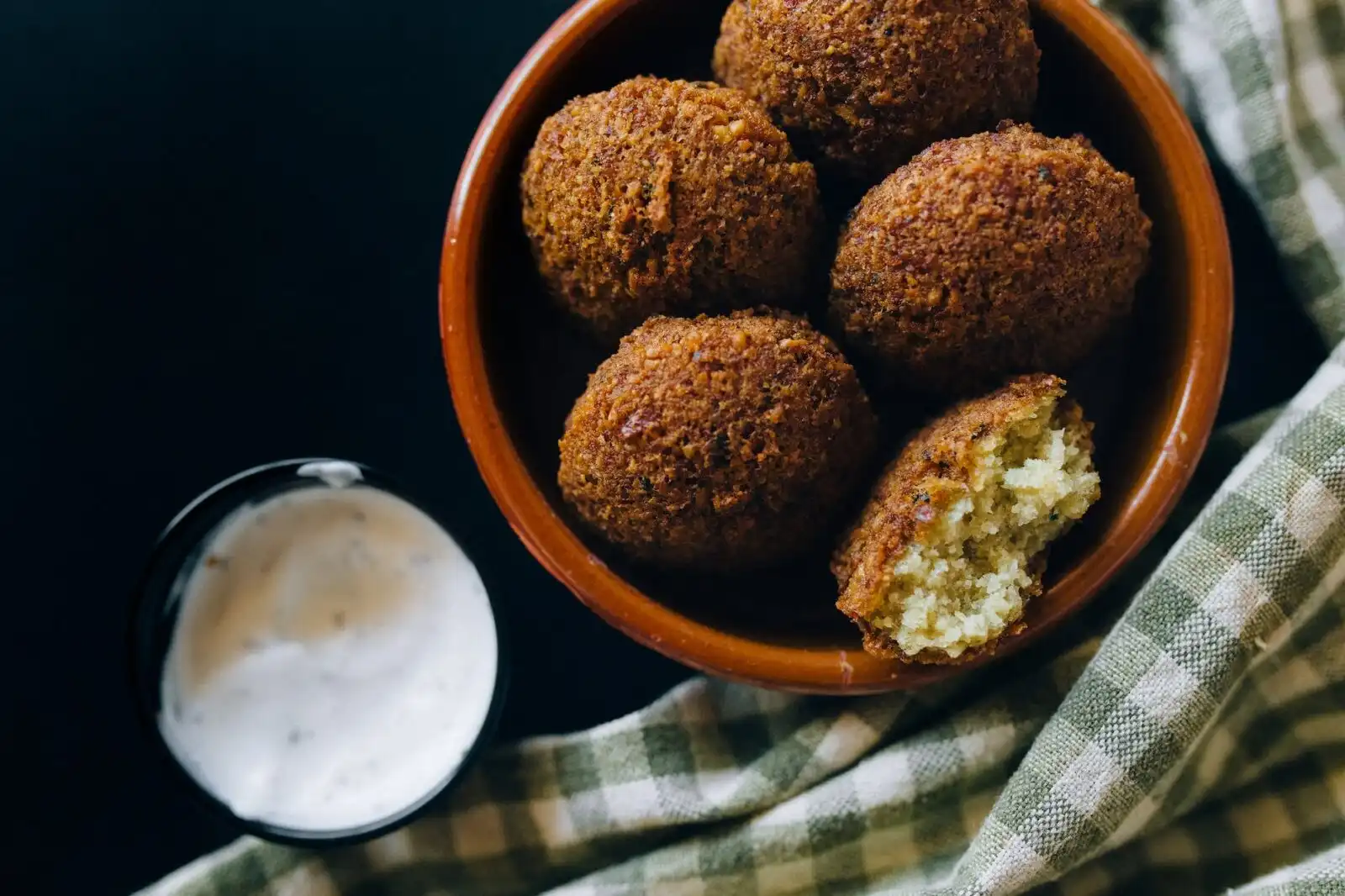
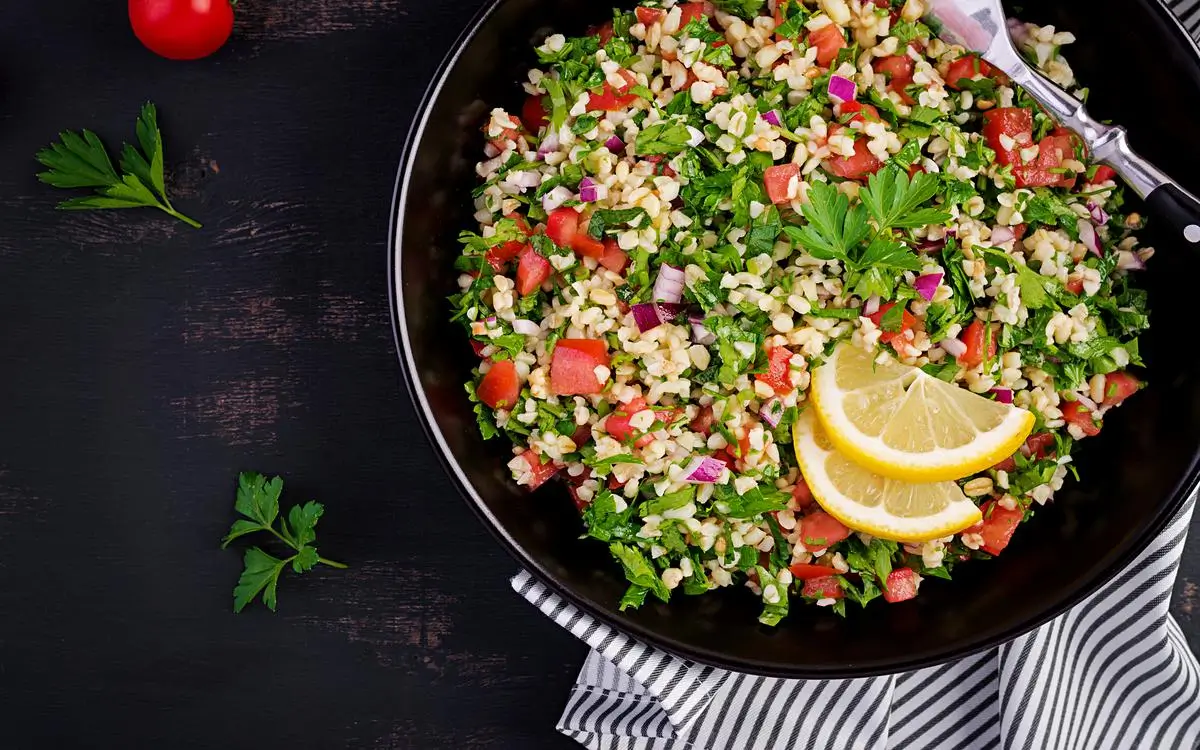
Tabouli – also spelled tabbouleh – is a classic herb and bulgur salad originating from the Eastern Mediterranean, especially the Levant region (modern-day Lebanon and Syria). It has been enjoyed for centuries as part of Middle Eastern and Mediterranean cuisine, traditionally served as a meze (appetizer) alongside dishes like hummus and falafel.
The name tabbouleh comes from Arabic tabbūlah, meaning “seasoning,” highlighting the dish’s flavorful herb base. Historically, tabouli was a salad of mountain villagers, mixing fresh parsley and other herbs with soaked bulgur wheat, a practice dating back to at least the Middle Ages. Tomatoes – now a key ingredient – were only added in the late 19th century after their introduction to the Middle East. Tabouli a mediterranean superfood, is a staple in lebanese cuisine.
Over time, tabouli has become a symbol of healthy Mediterranean eating and is celebrated globally. In its homeland of Lebanon, it’s considered an unofficial national dish and even honored with an annual National Tabbouleh Day festival.
With the rise of the Mediterranean diet’s popularity in the West, tabbouleh also gained prominence as a nutritious, vegan-friendly dish. By the 1970s, it had become a staple of mainstream American cuisine amid the health food movement.
Today, you’ll find tabbouleh in Mediterranean restaurants around the world. If you’re searching for Mediterranean food in Houston, for example, many local Mediterranean restaurants feature fresh tabouli on their lunch menus as a delicious, nutrient-packed salad.
Often regarded as one of the Best Mediterranean food options for health-conscious eaters, tabouleh offers a tangy, refreshing flavor alongside an impressive array of nutrients. In this study, we will explore tabouli’s nutritional profile, scientific evidence of its health benefits (from improved digestion to heart health), the biochemical reasons behind these benefits, and how tabouli compares to other staples of Mediterranean cuisine.
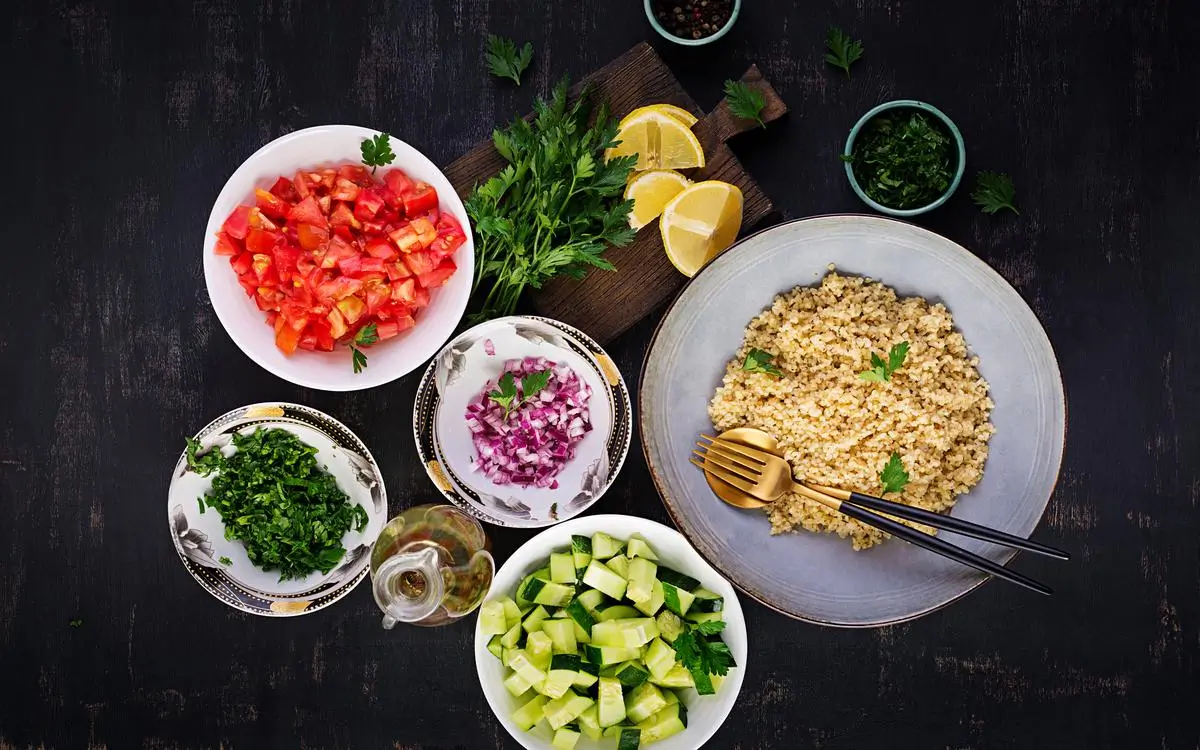
This Mediterranean powerfood is a medley of wholesome ingredients – each contributing unique vitamins, minerals, and antioxidants. The salad is traditionally made from parsley, tomatoes, bulgur wheat, onions (or scallions), mint, lemon juice, and olive oil, with a touch of salt. This combination makes tabouli low in fat and high in fiber while delivering a wide range of micronutrients.
Let’s break down the core ingredients and their nutritional highlights:
This bright green herb isn’t just a garnish – it’s a nutritional powerhouse. Parsley is extremely rich in vitamin K, which is crucial for blood clotting and bone health. Just ½ cup of parsley provides over 500% of the daily recommended intake of vitamin K! It’s also high in vitamin C and vitamin A (as beta-carotene).
Parsley contains potent antioxidants, particularly flavonoids such as myricetin and apigenin, which help protect cells from damage. These compounds have been linked to lower risks of diseases like colon cancer and heart disease.
In sum, parsley’s nutritional profile supports immune function and has anti-inflammatory properties. In tabouli, parsley is the primary ingredient, making up the bulk of the salad and providing a significant share of its vitamins (including A, C, K) and antioxidants.
Fresh chopped tomatoes give tabouli its red specks and juicy texture. Tomatoes are an excellent source of vitamin C (which supports immunity and skin health) and vitamin A. More uniquely, they supply lycopene, a red carotenoid pigment. Lycopene is a powerful antioxidant associated with many health benefits. A healthy food search near me will always find a restaurant that serves tabouli salad.
Studies show that diets rich in lycopene (chiefly from tomatoes) are linked to a lower risk of certain cancers (like prostate cancer) and stroke. Lycopene helps neutralize free radicals in the body and may reduce inflammation. (We’ll discuss these effects in detail later.) In tabouli, tomatoes also contribute to hydration and a dose of minerals, such as potassium.
Bulgur is a quick-cooking whole grain made from cracked, parboiled wheat kernels. It’s the small tender grain you see throughout tabouli. Bulgur is high in fiber and complex carbohydrates while being low in fat. This grain provides a modest amount of plant-based protein and is a good source of minerals, including manganese and iron. It also contains B vitamins (like niacin and B6) and magnesium.
Because bulgur is a whole grain, it retains the nutrient-rich bran and germ of the wheat, offering more fiber and micronutrients than refined grains. A typical serving of tabouli isn’t heavy on bulgur (traditional Lebanese tabbouleh uses just a small amount of bulgur for texture, but it’s enough to boost the salad’s fiber content significantly.
Fiber from bulgur is key for digestive health and helps slow down the digestion of carbs, giving bulgur a low glycemic index (meaning it won’t spike blood sugar as much as refined starches). We’ll see that bulgur’s fiber contributes to heart and gut benefits.
Finely chopped onions or scallions add a zesty bite to the tabouli. Onions are nutrient-dense, providing a low-calorie food that is rich in vitamin C, vitamin B6, folate, and potassium. They’re notably high in various antioxidants and sulfur compounds. A standout antioxidant in onions is quercetin, a flavonoid that has potent anti-inflammatory effects.
Quercetin, found in onions, has been studied for its potential benefits to heart health, as it may help lower blood pressure and improve cholesterol levels. Onions also contain compounds that may help fend off bacteria and strengthen immunity.
Additionally, onions are a source of prebiotic fibers (fructooligosaccharides), which feed healthy gut bacteria (supporting digestion). In tabouli, the amount of onion is moderate, but it contributes to the salad’s overall antioxidant profile and flavor.
Chopped mint leaves are often mixed with parsley to give tabouli a refreshing aroma. Although used in smaller quantities than parsley, mint still adds nutritional value. Mint leaves contain vitamin A and small amounts of vitamin C and B vitamins. They are also rich in phytochemicals like rosmarinic acid and menthol.
These compounds have been studied for their calming effects on digestive issues – mint is well known as a remedy for indigestion. Peppermint (a type of mint) can relax the muscles of the GI tract, helping relieve irritable bowel syndrome (IBS) symptoms like bloating and pain.
Mint’s rosmarinic acid is both an antioxidant and an anti-inflammatory agent. In tabouleh, mint works with parsley to boost the salad’s antioxidant level and digestive benefits (not to mention adding great flavor).
A generous squeeze of fresh lemon juice and olive oil is essential for tabouli’s dressing. Lemons are an excellent source of vitamin C. The combination of tomatoes, parsley, and lemon juice makes tabouli a vitamin C-rich dish – one analysis found tabouleh was the only traditional Lebanese dish providing over 20% of the daily vitamin C requirement per serving.
Vitamin C is a potent antioxidant that supports the immune system, helps in collagen formation, and enhances iron absorption from plant foods. The acidic lemon juice also brightens the flavor without needing much salt and can aid digestion by stimulating digestive enzymes. Each cup of tabouli can provide approximately 20–25% of the daily vitamin C requirement, thanks in large part to the addition of lemon juice and tomatoes.
Authentic tabouli uses extra-virgin olive oil in its light dressing. Olive oil is a staple of the Mediterranean diet and is famed for its heart-healthy properties. It is rich in monounsaturated fat, particularly oleic acid, which can help lower LDL (“bad”) cholesterol levels.
Olive oil is also a source of vitamin E and is loaded with anti-inflammatory compounds called polyphenols. One notable polyphenol in extra-virgin olive oil, oleocanthal, exhibits anti-inflammatory actions similar to those of ibuprofen. Dressing tabouli with olive oil gives the salad healthy fats that help absorb the fat-soluble vitamins (A, E, K) from the vegetables.
Approximately 2 tablespoons of olive oil (typically used in a tabouli bowl) contribute roughly 240 calories, primarily from beneficial fats. This raises tabouli’s caloric content slightly, but the trade-off significantly boosts flavor and nutrition. Most of the fat in tabouli (up to ~65% of calories) comes from heart-healthy monounsaturated fats.
Tabouli is a traditional Mediterranean salad made with fresh parsley, bulgur wheat, chopped tomatoes, green onions, mint, lemon juice, olive oil, and a pinch of salt. Each ingredient contributes to its refreshing flavor and health benefits.
Yes! Tabouli is incredibly healthy. It’s low in calories, high in fiber, and packed with essential vitamins like A, C, and K. The parsley and tomatoes offer antioxidants, while the bulgur wheat adds digestive-friendly fiber. Plus, olive oil provides heart-healthy fats.
Tabouli offers numerous health benefits, including:
Yes, tabouli is great for weight loss. It’s low in calories and high in fiber, which helps keep you full longer. Additionally, it’s a nutrient-dense food, meaning you get a generous amount of vitamins and minerals without excessive calories.
Traditional tabouli is made with bulgur wheat, which contains gluten. However, you can make a gluten-free version by substituting bulgur with quinoa or cauliflower rice.
A typical 1-cup serving of tabouli contains about 150–180 calories, depending on the amount of olive oil used. It’s low in fat and packed with fiber and essential nutrients.
Yes! Tabouli can be made in advance and even tastes better after sitting for a few hours, as the flavors meld. Store it in an airtight container in the refrigerator for up to 2-3 days.
Absolutely. Bulgur wheat and fresh vegetables, such as parsley and tomatoes, provide a good amount of fiber, which promotes healthy digestion and helps prevent constipation.
Tabouli pairs well with many Mediterranean dishes, like:
In sum, Tabbouleh is nutrient-dense: packed with vitamins A, C, K, folate, iron, calcium, potassium, and a wide array of antioxidants (flavonoids, carotenoids, vitamin C), all for relatively few calories. A typical 1-cup serving of tabouli contains approximately 150–180 calories, 3–4 grams of fiber, and 3–5 grams of protein.
It’s naturally cholesterol-free and low in saturated fat. Mediterranean vegetable tabbouleh salad can be low in sodium if little salt is added. The parsley provides a massive dose of vitamin K and antioxidants, while the bulgur adds complex carbs and fiber. This unique nutritional profile underpins many of tabouli’s health benefits, which we will explore next.