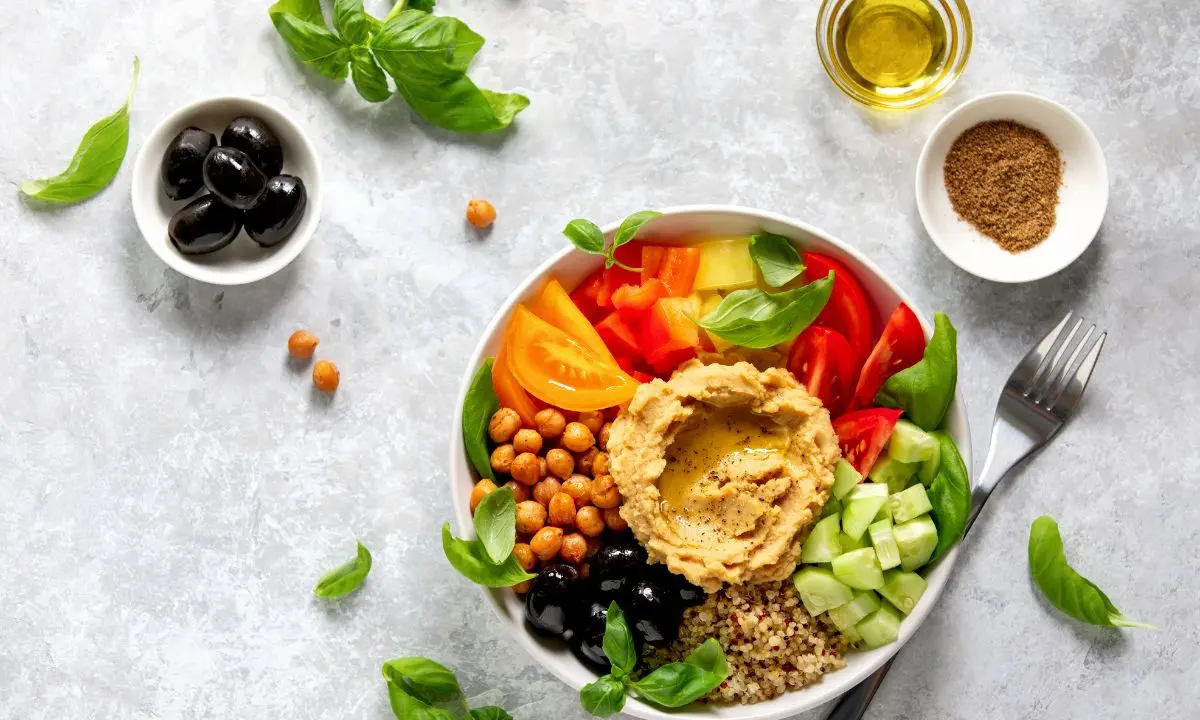
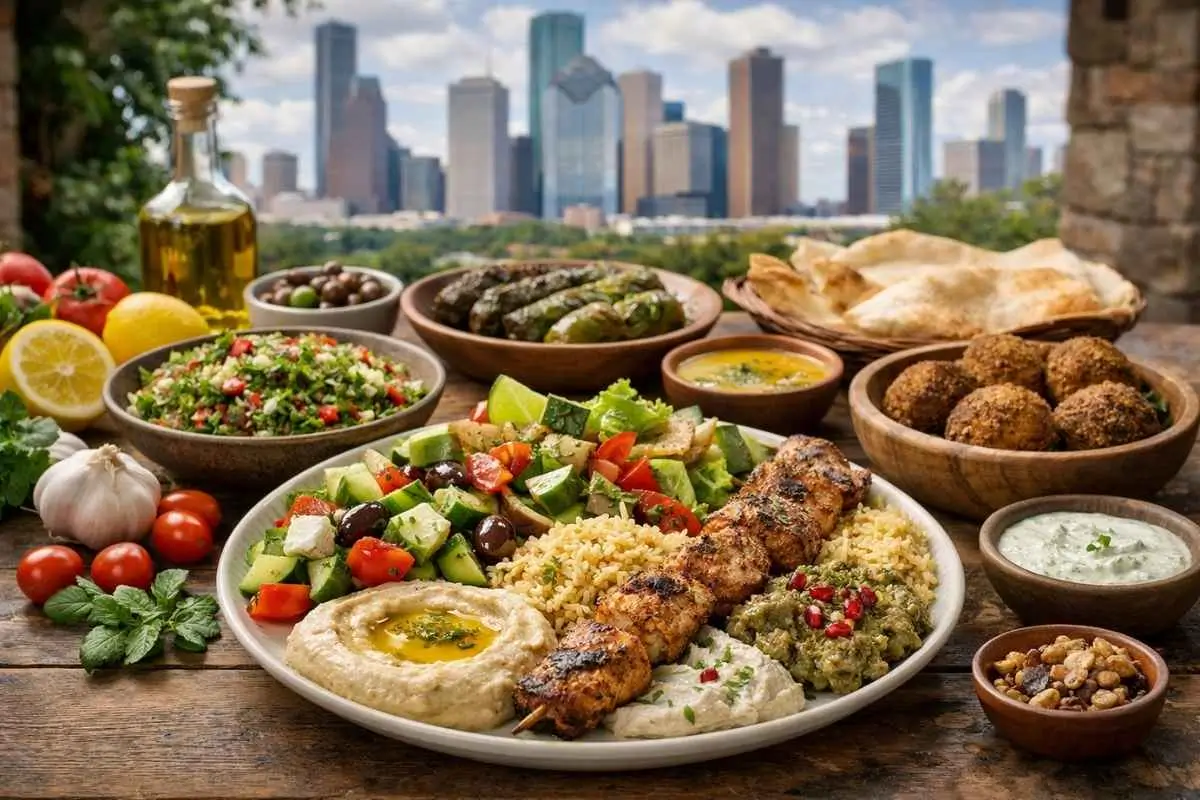
If you’re searching for ‘healthy food Houston’, you’re not alone. Amid conflicting nutrition advice and endless ‘superfoods,’ focusing on straightforward tips helps you stay engaged and make better choices.
One person tells you carbs are the enemy. Another swears by juice cleanses. Then someone else insists you need to eat only organic, grass-fed everything, or you’re doing it wrong. Let’s cut through the noise. Healthy food doesn’t require a PhD in nutrition, a celebrity chef’s budget, or a complete lifestyle overhaul. It’s simpler than you think (and often more delicious than “diet food” would have you believe).
This comprehensive guide answers the big question: What is considered healthy food? We’ll break down the science-backed basics, explore why Mediterranean eating patterns consistently rank among the healthiest in the world, and show you how to build satisfying, nutritious meals right here in Houston.
Healthy food is food that nourishes your body (providing essential nutrients like fiber, protein, vitamins, and minerals) without constantly overloading you with added sugars, excess sodium, and unhealthy fats.
The World Health Organization (WHO) defines a healthy diet as one that protects against malnutrition and noncommunicable diseases, including heart disease, diabetes, stroke, and certain cancers. That might sound clinical, but the practical application is straightforward.
If you only remember three things, make it these:
That’s it. No magic formula. No elimination of entire food groups. Just a balanced approach that allows you to enjoy treats in moderation, making healthy eating feel sustainable and approachable—not restrictive.
When nutrition experts and health organizations evaluate the world’s healthiest eating patterns, Mediterranean cuisine consistently ranks at the top. Here’s why:
Mediterranean eating emphasizes vegetables, legumes, whole grains, and fruits—but doesn’t eliminate meat or dairy. This balance makes it both nutritious and sustainable in the long term.
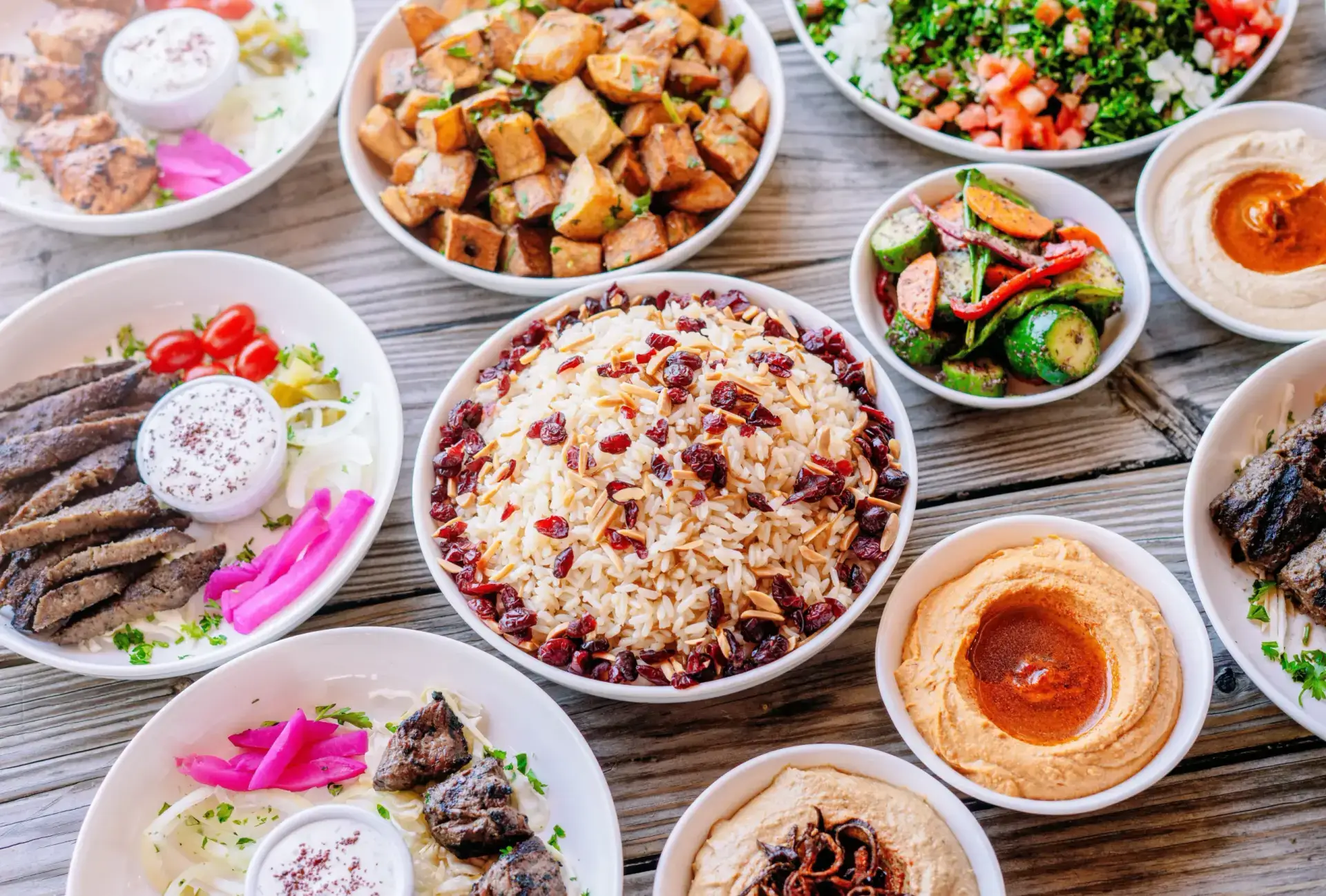
Think about a traditional Lebanese or Greek plate: colorful salads, creamy hummus, hearty lentils, grilled vegetables, and lean proteins like chicken or fish. You’re getting fiber, vitamins, minerals, healthy fats, and protein all in one satisfying meal.
Mediterranean cooking relies heavily on olive oil, nuts, and fatty fish—all excellent sources of unsaturated fats that support heart health, brain function, and hormone production.
The WHO recommends shifting from saturated and trans fats toward unsaturated fats, which is precisely what Mediterranean cuisine does naturally. When you drizzle olive oil over a Greek salad or enjoy tahini in your hummus, you’re following evidence-based nutrition guidance without thinking about it.
Traditional Mediterranean cooking uses fresh ingredients, aromatic herbs, and bold spices instead of relying on excessive salt, sugar, or artificial additives. This approach delivers incredible flavor while keeping meals nutrient-dense.
At Aladdin Mediterranean cuisine in Houston, we’ve served authentic Lebanese and Mediterranean food since 2006, preparing everything fresh daily with high-quality ingredients and halal-certified meats. Our menu shows how healthy eating can be delicious and satisfying—think grilled kabobs, vibrant salads, creamy dips, and warm pita that you’ll enjoy every time.
There’s no single definition that fits everyone’s needs, but health organizations worldwide agree on fundamental principles. Here are five signs that food is moving you in a healthy direction:
Nutrient-dense foods deliver lots of nutrition per bite: fiber, protein, vitamins, minerals, and healthy fats. They give your body what it needs to function optimally.
Examples: beans, lentils, eggs, yogurt, vegetables, fruits, nuts, fish, whole grains, olive oil
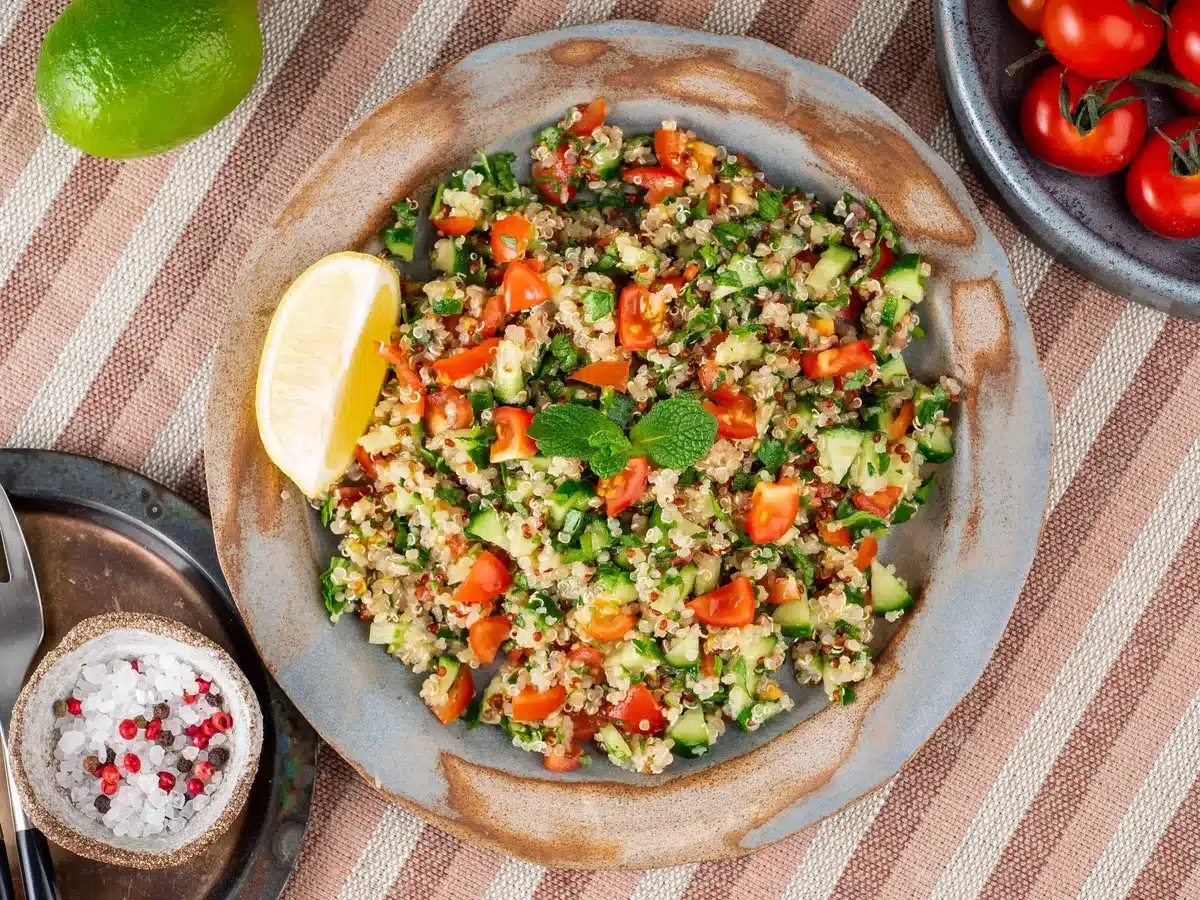
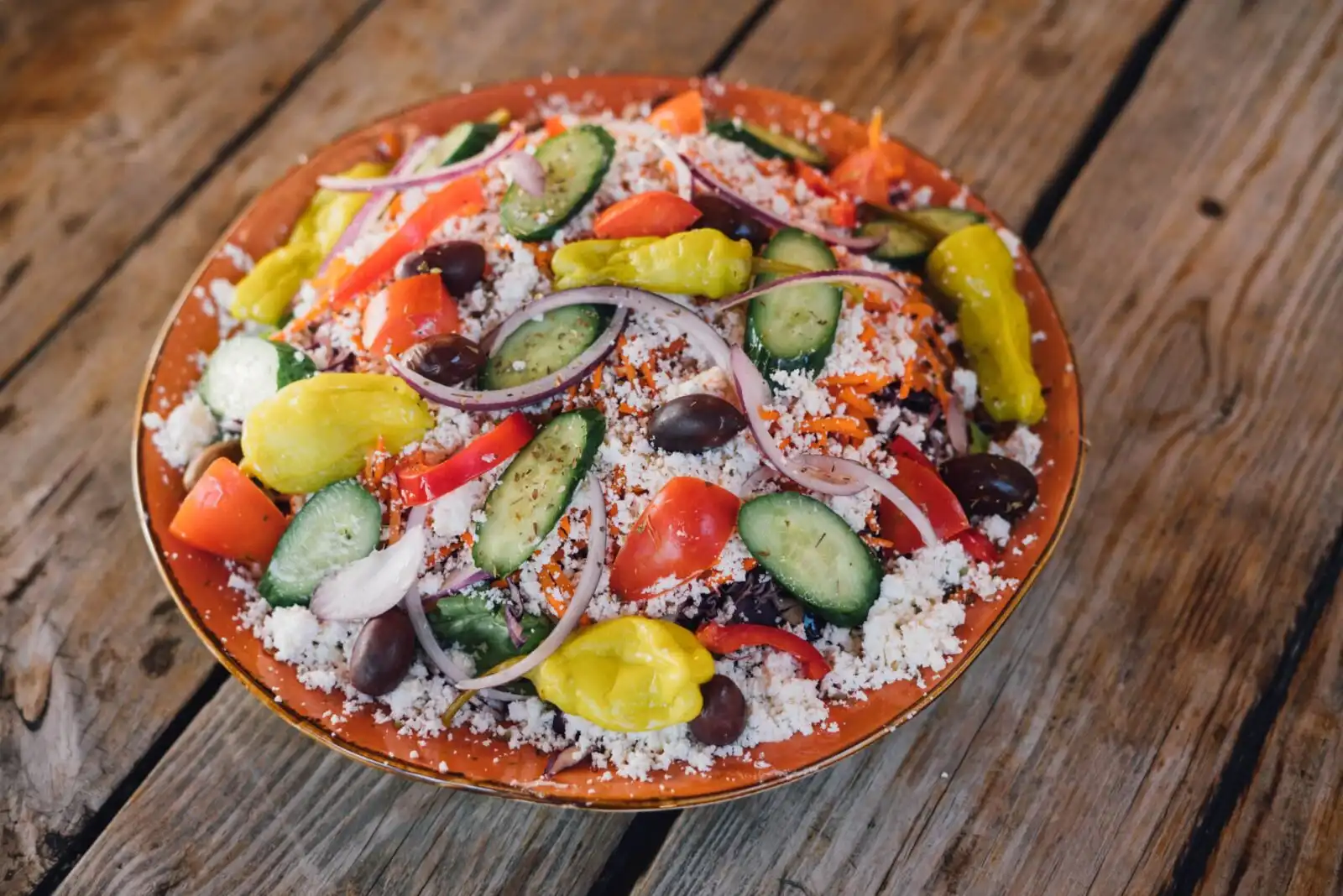
Mediterranean star players: tabbouleh (parsley, tomatoes, bulgur), fattoush salad, hummus, baba ghanoush, lentil soup, Greek salad.
A meal that’s mostly refined carbs and sugar will leave you hungry again quickly. Meals combining fiber, protein, and healthy fats provide lasting energy and satisfaction.
This is why a Mediterranean plate works so well: the fiber from vegetables and whole grains, protein from chicken or legumes, and healthy fats from olive oil and tahini keep you fueled for hours.
You don’t need to cook everything from scratch, but the more your meals are built from recognizable ingredients, the easier it is to meet your nutrition needs. Compare a frozen meal with 40 ingredients you can’t pronounce to a plate of grilled chicken, roasted vegetables, hummus, and rice. Both are convenient, but one clearly offers more nutritional value.
The WHO notes that a healthy diet varies by age, lifestyle, culture, available foods, and personal needs. The key is finding nutritious foods you actually enjoy and can afford—not forcing yourself to eat things that don’t fit your life.
Mediterranean and Middle Eastern cuisines offer incredible variety: options for vegetarians, vegans, gluten-free diets, and meat lovers alike. Whether you’re looking for a quick lunch in Montrose or planning catering for a corporate event in Houston, you can find healthy Mediterranean options that work.
Healthy eating isn’t about quick fixes or dramatic transformations. It’s about sustainable habits that reduce your risk of chronic diseases and help you feel energized every day. Research consistently shows that Mediterranean-style eating patterns are associated with lower rates of heart disease, diabetes, and other chronic conditions—making it one of the most studied and validated approaches to healthy eating.
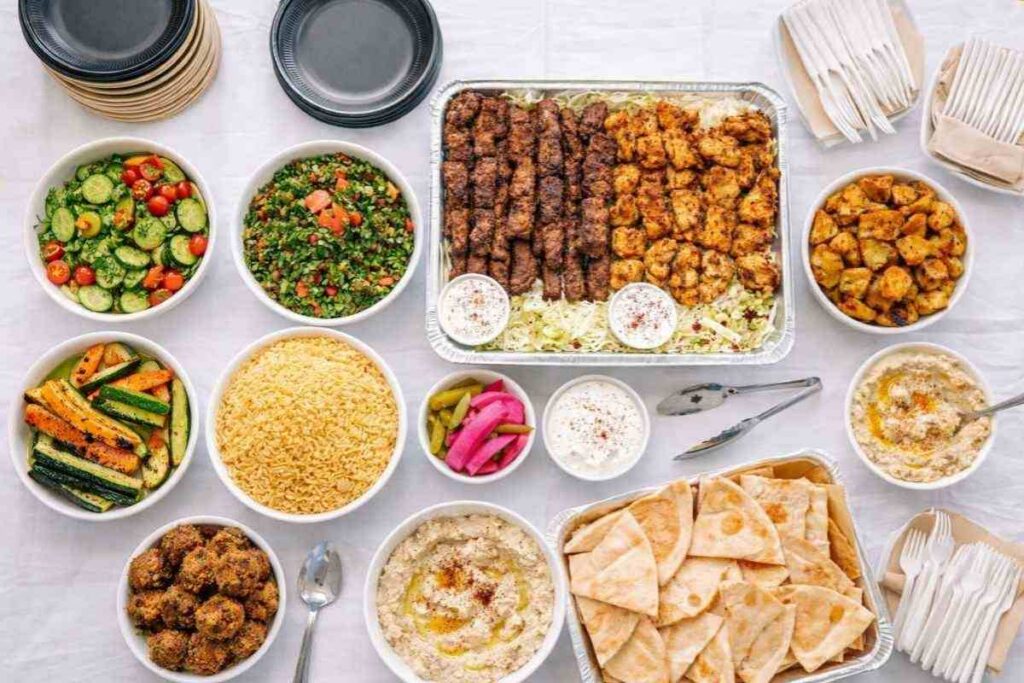
Forget complicated meal plans and calorie counting. Using the ‘healthy plate’ model can make you feel confident and in control of your nutrition, whether at home, work, or dining out.
This approach works perfectly for Mediterranean restaurants and home cooking alike:
Real-world example: When you visit Aladdin Mediterranean cuisine or Aladdin Mediterranean Grill in Houston, you can build this exact plate. Start with fattoush or Greek salad, add a grilled kabob or falafel, include rice or pita, and finish with hummus or baba ghanoush. You’ve just created a nutritionist-approved meal that tastes incredible.
These mainstream nutrition models recommend similar patterns:
Mediterranean eating naturally aligns with these guidelines, which is why nutritionists consistently recommend it.
The World Health Organization provides clear, evidence-based guidance that works worldwide. Here are the key recommendations:
At least 400g per day (about five portions), excluding starchy roots like potatoes
Why it matters: Fruits and vegetables provide fiber, vitamins, minerals, and antioxidants that support every system in your body.
Mediterranean advantage: Traditional Lebanese and Greek meals are vegetable-forward by default. Think tabbouleh, fattoush, Greek salad, grilled vegetables, and herb-rich dishes.
Less than 10% of daily calories, ideally under 5%
What counts: Added sugars plus sugars naturally found in honey, syrups, fruit juices, and fruit juice concentrates (but not whole fruit)
Mediterranean advantage: Mediterranean desserts tend to be less sweet than typical American treats, and meals don’t rely on sugary sauces or sweetened drinks.
Less than 5g salt per day (about one teaspoon, or 2g sodium)
Why it matters: Excessive sodium intake is linked to high blood pressure and heart disease.
Mediterranean advantage: Mediterranean cooking uses fresh herbs, lemon juice, garlic, and spices for flavor instead of relying heavily on salt.
Total fat under 30% of daily calories
Mediterranean advantage: This is where Mediterranean cuisine truly shines. Olive oil, tahini, nuts, and fatty fish provide heart-healthy unsaturated fats, while lean proteins and minimal processed foods keep saturated and trans fats low.
Building healthy meals starts with smart shopping. Here’s your practical guide organized by category:
Budget tip: Frozen vegetables are just as nutritious as fresh and often more affordable.
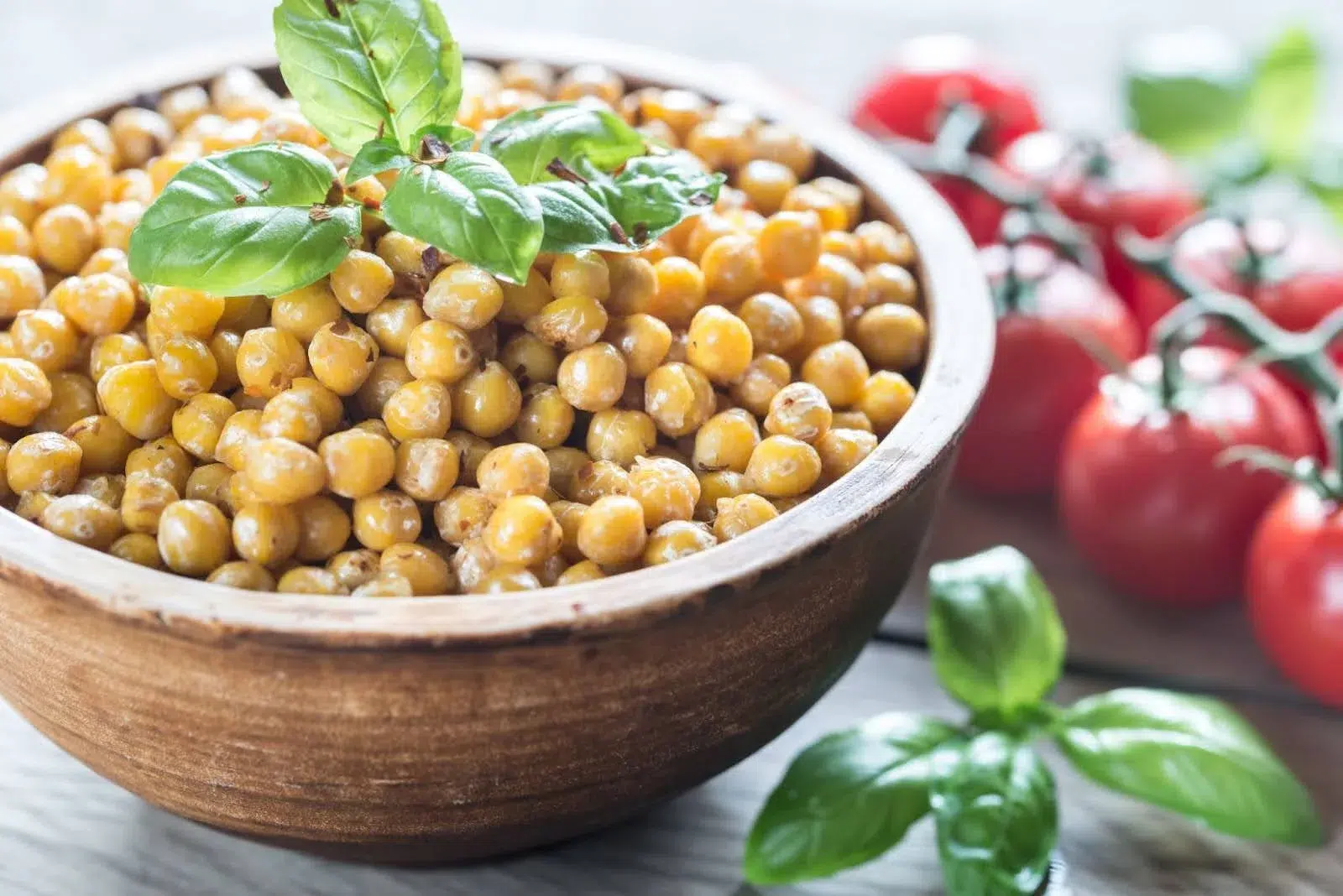
Why they matter: Legumes are affordable, filling, high in protein and fiber, and central to Mediterranean cooking.
Halal-conscious note: At Aladdin Houston, all our meats are halal-certified, ensuring quality and adherence to dietary guidelines.
You don’t need to cook every meal to eat healthily. Restaurants—especially Mediterranean restaurants—make it easy to build nutritious meals when you know what to look for.
Mediterranean restaurants naturally offer many of the healthiest menu options:
When you visit either of our Houston locations—Aladdin Mediterranean Cuisine in Montrose (912 Westheimer Rd) or Aladdin Mediterranean Grill in the Heights (1737 W 34th St), here’s how to build a perfectly balanced healthy plate:
Start with vegetables:
– Greek salad (romaine, tomatoes, cucumbers, onions, olives, feta)
– Fattoush (mixed greens with crispy pita, sumac dressing)
– Tabbouleh (parsley, tomatoes, bulgur)
Add your protein:
– Chicken kabob (grilled, seasoned with Mediterranean spices)
– Lamb kabob (tender, halal-certified)
– Beef kabob (lean, flavorful)
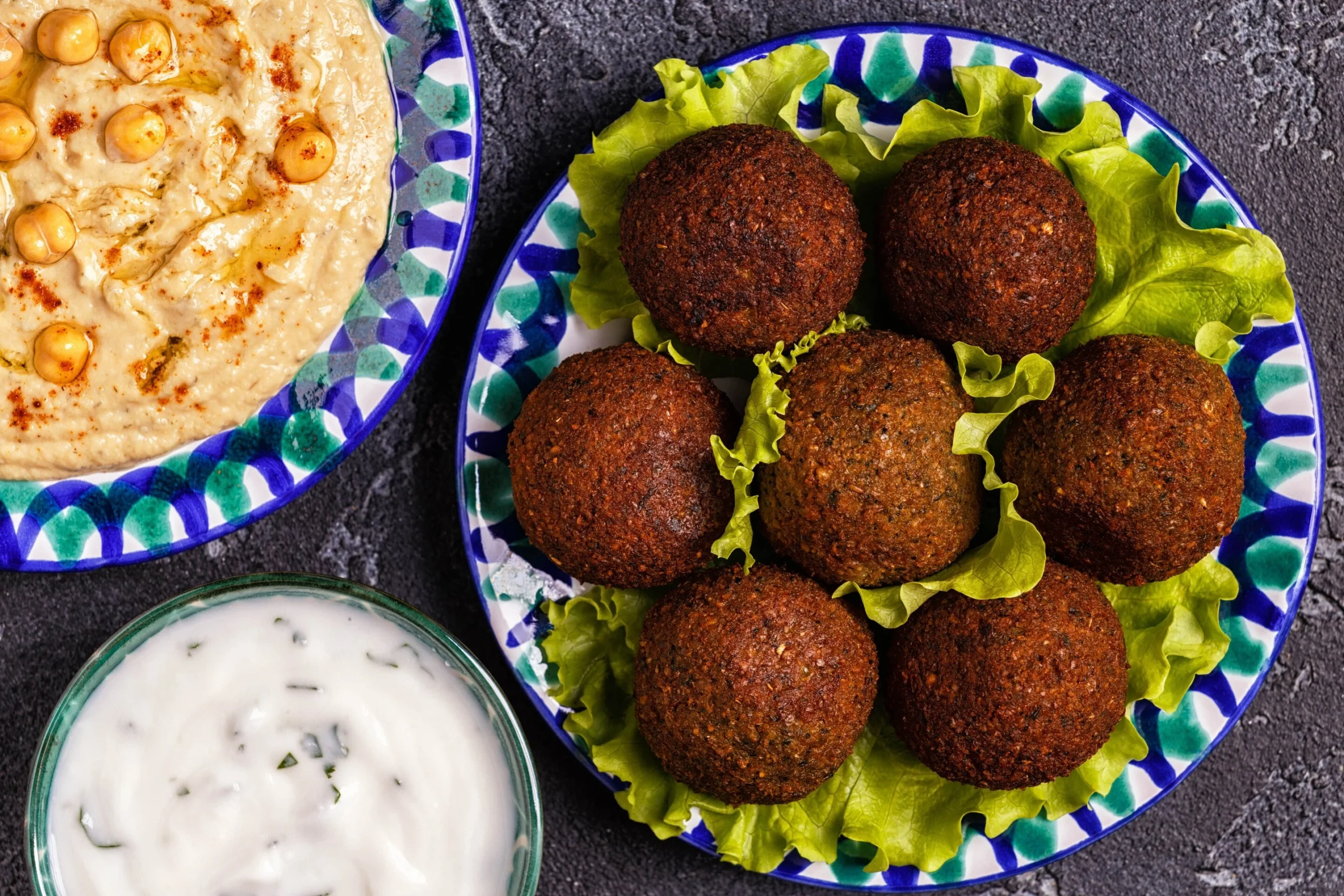
– Falafel (crispy chickpea fritters—perfect for vegetarians)
– Combination plates (mix multiple proteins)
Include a healthy side:
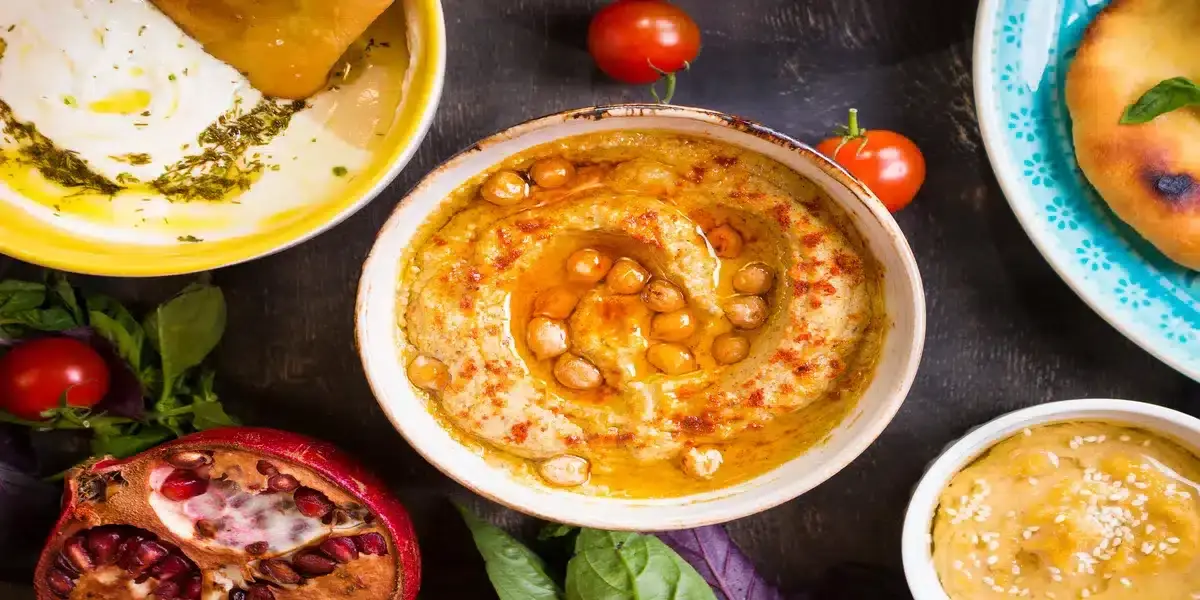
– Hummus (chickpeas, tahini, olive oil, lemon)
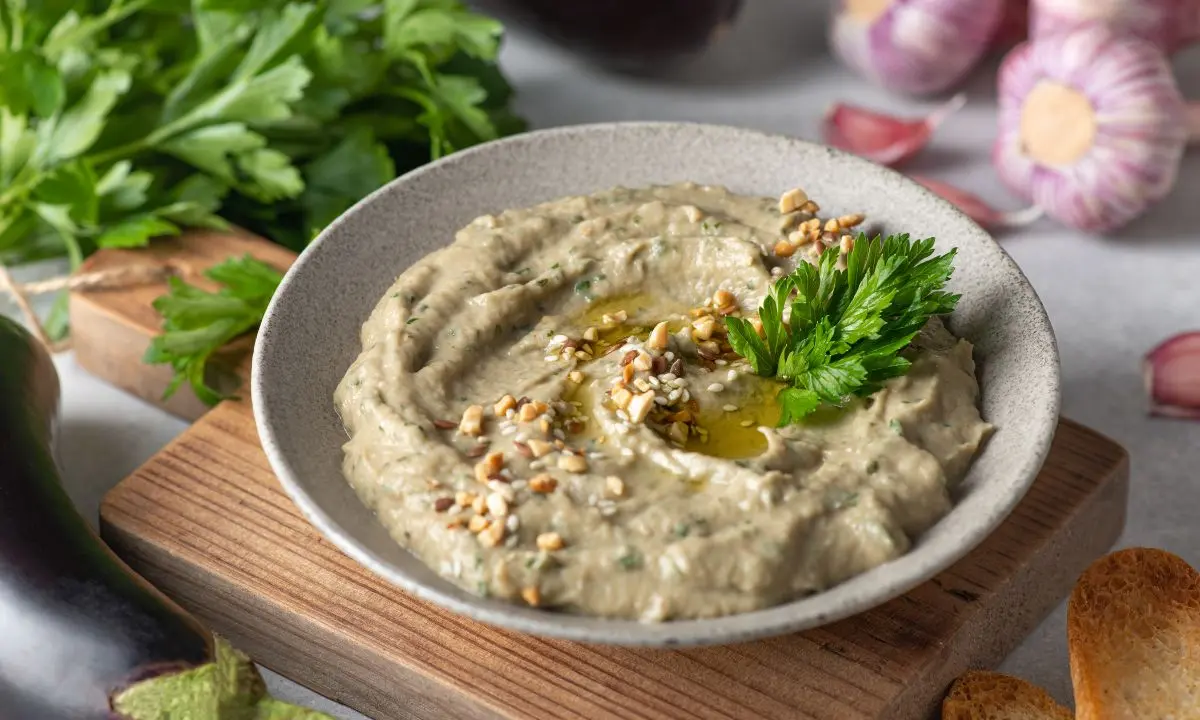
– Baba ghanoush (roasted eggplant, tahini)
– Rice (basmati, can request brown rice)
– Lentil soup
Customize for your needs:
– Vegan? Load up on salads, hummus, baba ghanoush, falafel, tabbouleh, and grilled vegetables
– Vegetarian? Add feta cheese, eggs, and yogurt-based sauces
– Gluten-free? Skip the pita, focus on salads, proteins, and rice
– High protein? Double down on kabobs and add extra hummus
This isn’t “diet food”—it’s genuinely delicious Mediterranean cooking that happens to align perfectly with healthy eating guidelines. What About “Unhealthy” Foods? A Balanced Perspective: Healthy eating isn’t about never eating pizza, dessert, or fried foods again. It’s about patterns, not perfection.
The WHO notes that many people consume too many foods high in energy, fats, free sugars, and salt, while not eating enough fruits, vegetables, and fiber-rich foods.
Categories to watch:
The 80/20 approach: If 80% of your meals are built from whole, nutritious foods, you have plenty of room for treats and flexibility. A slice of baklava after a healthy Mediterranean meal? Absolutely fine. An entire diet based on processed foods? That’s where problems arise.
Recent large-scale studies published in the BMJ found associations between higher intake of ultra-processed foods and increased risk of adverse health outcomes. These foods are typically industrial products made from refined ingredients and additives.
The practical takeaway: Build most meals from whole or minimally processed foods, and enjoy packaged treats occasionally—not as your dietary foundation.
Is Mediterranean food really healthier than other cuisines?
Mediterranean eating patterns are among the most studied and validated approaches to healthy eating. Research consistently shows associations with lower rates of heart disease, diabetes, and other chronic conditions. The combination of plant-forward eating, healthy fats, lean proteins, and minimal processing explains why it works so well.
What are the healthiest foods in the world?
There’s no single “1 healthiest food,” but foods that consistently appear in healthy diets worldwide include vegetables, fruits, legumes, whole grains, nuts, olive oil, and fatty fish. Traditional Mediterranean dishes such as hummus, tabouli, Greek salad, and grilled kebabs showcase many of these ingredients.
How much sugar is too much?
The WHO recommends keeping free sugars (added sugars and those in honey, syrups, and juices) below 10% of daily calories, ideally under 5%. For a 2,000-calorie diet, that’s roughly 50g maximum (10%) or 25g ideally (5%)—about 6 teaspoons.
Are carbs unhealthy?
Carbs aren’t the problem—the type matters. Whole grains (bulgur, brown rice, whole wheat), legumes (chickpeas, lentils), vegetables, and fruits provide essential fiber and nutrients. Refined carbs and added sugars (white bread, pastries, sugary drinks) offer less nutrition and can spike blood sugar.
Is “halal food” automatically healthy?
Halal refers to how meat is prepared according to Islamic dietary law—it doesn’t automatically mean “healthy.” However, halal requirements often result in higher-quality meat. At Aladdin Houston, we use halal-certified meats and prepare them in health-conscious ways: grilling rather than frying, seasoning with herbs and spices rather than excess salt, and serving with vegetable-rich sides.
Can you eat healthy on a budget in Houston?
Absolutely. Some of the most nutritious foods are also affordable: legumes (dried beans, lentils), rice, seasonal vegetables, eggs, canned fish, and frozen produce. Mediterranean staples like chickpeas, bulgur, olive oil, and seasonal vegetables provide excellent nutrition without breaking the bank.
For Busy Professionals
The challenge: Limited time, lots of meetings, grabbing whatever’s convenient.
The solution: Keep healthy Mediterranean restaurants like Aladdin on speed dial for quick lunches. Order a combo plate with salad, protein, and rice—ready in minutes, nutritious, and satisfying. We also offer online ordering and pickup at both Houston locations.
For Families
The challenge: Picky eaters, different dietary needs, cooking fatigue.
The solution: Mediterranean food offers something for everyone. Kids often love kabobs, rice, and hummus with pita. Adults can load up on salads and vegetables. Vegetarians have plenty of options (falafel, hummus, tabbouleh), and meat-eaters can choose from multiple kabob options.
Aladdin catering tip: Planning a family gathering, office event, or celebration? Our catering service brings healthy Mediterranean food to your event throughout Houston—from Montrose and the Heights to Katy, Sugar Land, the Woodlands, and beyond.
For Health-Conscious Eaters
The challenge: Finding restaurants that genuinely offer nutritious options (not just “low-calorie” but actually healthy)
The solution: Mediterranean restaurants excel at this. At Aladdin Houston, you can build plates that check every healthy eating box: vegetables, fiber, lean protein, healthy fats, minimal processing, and bold flavor. We’re not marketing “diet food”—we’re serving food that’s been recognized as healthy for thousands of years.
For Vegetarians and Vegans
The challenge: Limited options at many restaurants.
The solution: Mediterranean cuisine is incredibly plant-forward. Dishes like hummus, baba ghanoush, falafel, tabbouleh, fattoush, stuffed grape leaves, lentil soup, and grilled vegetables are naturally vegan or vegetarian. You can easily build a complete, protein-rich meal without meat.
Houston’s diversity makes it one of the best cities in America for international cuisine—including authentic Mediterranean food. Whether you’re in Montrose, the Heights, Midtown, Katy, Sugar Land, or the Woodlands, you have access to healthy eating options.
Since 2006, we’ve been serving Houston authentic Lebanese and Mediterranean food prepared fresh daily. Here’s what sets us apart:
Whether you’re searching for “healthy food near me,” “Mediterranean restaurant Houston,” “halal food Houston,” or “Lebanese food near me,” Aladdin offers precisely what you’re looking for: nutritious, flavorful Mediterranean cuisine that supports your health goals without sacrificing taste.
If the internet has made “healthy food” feel complicated, here’s your reset:
The fundamentals never change:
You don’t need:
– Perfect eating
– Expensive supplements
– Complicated meal plans
– Elimination of entire food groups
– “Superfoods” or miracle ingredients
You do need:
– A pattern you can maintain long-term
– Food you actually enjoy
– Balance between nutrition and pleasure
– Flexibility for real life
Mediterranean eating offers exactly this balance—which is why it’s consistently ranked among the world’s healthiest diets.
If you’re tired of bland “healthy food” that leaves you unsatisfied, it’s time to discover what Mediterranean cuisine can do. At Aladdin Mediterranean cuisine and Aladdin Mediterranean Grill, we prove that healthy eating can be absolutely delicious.
Visit us at either Houston location:
Order online for pickup at aladdinshouston.com, or contact us about catering for your next event. Because healthy food should nourish your body and bring you joy—and that’s precisely what we’ve been doing in Houston since 2006.