The Mediterranean Diet isn’t just a food trend—it’s a way of life built around simplicity, seasonal ingredients, joyful eating, and balanced nutrition. If you’re searching for healthy Mediterranean food in Houston (or anywhere), this approach goes beyond “what to eat” and includes how to eat: daily movement, shared meals, and flavorful foods that support long-term wellness.
Inspired by traditional eating patterns from countries around the Mediterranean Sea—Greece, Italy, Lebanon, Morocco, Spain, and others—the Mediterranean Diet emphasizes:
It’s also highly flexible: you can adapt it for vegetarian, vegan, or omnivore lifestyles.
If you’re looking for healthy Mediterranean food in Houston, you’re probably aiming for sustainable wellness, not quick dieting. The Mediterranean Diet naturally supports:
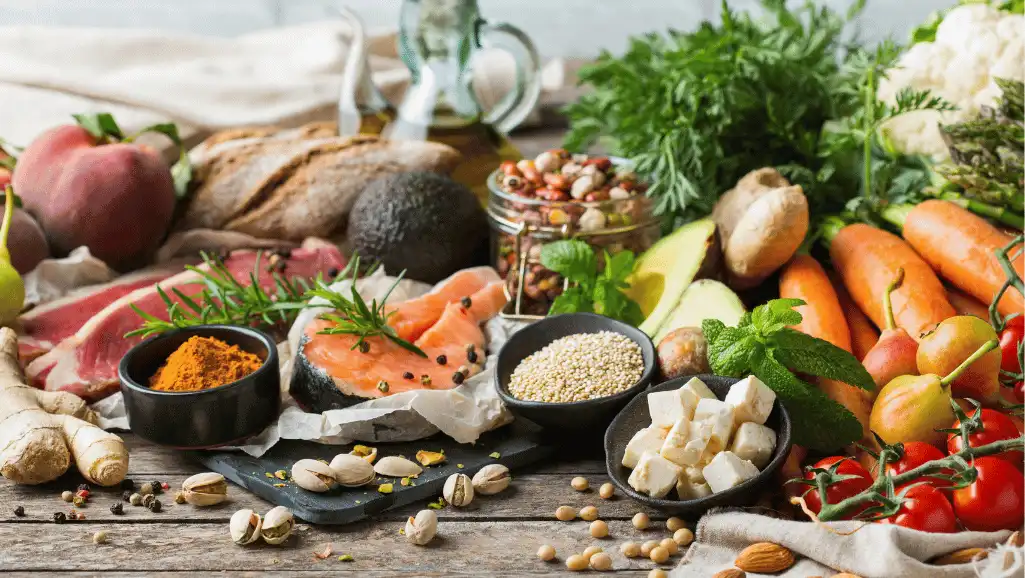
Vegetables: spinach, kale, eggplant, tomatoes, cucumbers, bell peppers
Fruits: oranges, grapes, pomegranates, berries, figs
Whole grains: farro, bulgur, barley, quinoa, brown rice
Legumes: lentils, chickpeas, black beans
Fish & seafood: salmon, sardines, tuna, mackerel
Nuts & seeds: walnuts, almonds, flaxseed, sunflower seeds
Healthy fats: extra virgin olive oil, avocado
Dairy (moderate): Greek yogurt, halloumi, feta
Herbs & spices: oregano, rosemary, thyme, cumin, garlic
Produce: bell peppers, spinach, kale, eggplant, lemons, parsley, mint
Pantry staples: extra virgin olive oil, chickpeas, lentils, brown rice, oats
Dairy: Greek yogurt, feta, kefir
Proteins: salmon, canned tuna, chicken, turkey, eggs
Breads & grains: whole wheat pita, quinoa, barley
Snacks: almonds, walnuts, olives, dried figs
Herbs & spices: cumin, oregano, paprika, za’atar, turmeric
If you want to enjoy the Mediterranean Diet without cooking everything at home, Aladdin Mediterranean cuisine makes it easy—our menu is built around the ingredients that make this lifestyle so effective:
Menu highlights:
Perfect for:
If you’re searching for Mediterranean catering in Houston, TX, we lead with health, flavor, and hospitality.
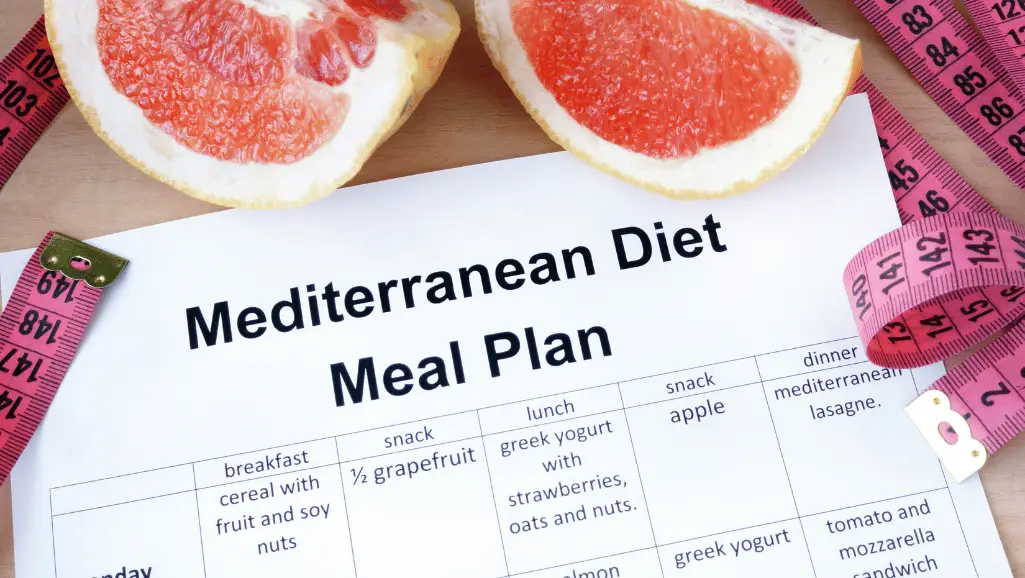
If you’re still wondering what is the Mediterranean diet, let us tell you that it is often hailed as one of the world’s healthiest eating patterns. It’s endorsed by researchers, doctors, and dietitians not only for its nutritional value but also for its long-standing cultural and historical significance. But what many don’t realize is that this way of eating is deeply tied to centuries of food tradition, environmental adaptation, and community values across diverse regions. The history of the Mediterranean diet tells a fascinating story that begins thousands of years ago and continues to evolve into the 21st century. What Is the Mediterranean Diet?
The foundation of the Mediterranean diet was laid more than 5,000 years ago with the rise of agriculture in the Mediterranean Basin. This vast region includes parts of Southern Europe, North Africa, and the Eastern Mediterranean. Early civilizations such as the Egyptians, Greeks, Phoenicians, and Romans cultivated staple crops that remain core components of the diet today: olives, grapes, barley, and legumes.
Olive oil has been a dietary and trade staple since at least 2500 BCE, especially in Crete and other Aegean islands
Bread and grains were dietary staples in ancient Egypt and Greece, often consumed with legumes and olive oil
Wine, dating back to Neolithic times, was consumed during meals and had both cultural and religious significance
The region’s warm climate and rocky soil were ideal for crops like olives and grapes, and less suited to animal agriculture. As a result, Mediterranean societies leaned toward plant-based foods, complemented by small portions of fish or goat cheese.
In ancient Greece, the diet reflected moderation, balance, and a reverence for the natural world. Philosophers like Hippocrates (c. 460–370 BCE) emphasized food as medicine, advocating that diet played a crucial role in health.
The classic Greek diet centered around:
Fresh vegetables
Whole grains
Legumes
Olive oil
Minimal red meat
These principles carried into Roman times. Roman texts such as De Re Coquinaria and Cato the Elder’s On Agriculture describe meals made from cereals, vegetables, olives, and fish [4]. Romans also developed sophisticated food preservation techniques, including pickling and fermenting, which allowed for food storage without artificial processing.
From the 8th to the 13th century, much of the Mediterranean was influenced by Islamic culture, especially in Spain, North Africa, and the Eastern Mediterranean. The Islamic Golden Age brought important agricultural and culinary innovations to the region:
Introduction of rice, citrus fruits, eggplants, and sugar cane from the East
Use of spices such as cinnamon, saffron, and cloves
Irrigation techniques that expanded the cultivation of grains and vegetables
Cookbooks and medical texts of the time emphasized balance and the idea of foods having hot/cold, wet/dry properties. This laid the groundwork for the later development of personalized nutrition and holistic wellness, now reflected in modern interpretations of the Mediterranean diet.
It’s important to note that there is no single “Mediterranean diet.” The foods eaten in coastal Spain differ from those in Lebanon, Greece, or Morocco. But the shared themes across the region include:
Eating seasonal, local produce
Cooking with olive oil
Incorporating legumes and grains
Consuming small portions of animal products
Enjoying meals in social settings
From the Spanish paella to Greek moussaka, Lebanese tabbouleh to Italian minestrone, the diet evolved based on climate, religious practices, trade routes, and local crops. This diversity is one of its greatest strengths.
The aftermath of World War II brought dramatic dietary changes to many parts of the Mediterranean. As global trade expanded and industrialized food became more available, people in Mediterranean regions started adopting Western-style diets heavy in meat, sugar, and processed foods.
However, rural populations—especially in Crete, Southern Italy, and parts of Greece—maintained their traditional foodways. This would prove essential to the scientific rediscovery of the diet’s benefits.
In the 1950s, American physiologist Ancel Keys launched the Seven Countries Study, the first major epidemiological study to examine the connection between diet and heart disease. The research focused on seven nations: the U.S., Japan, Finland, the Netherlands, Italy, Yugoslavia, and Greece.
The key findings:
Populations in Crete and Southern Italy had dramatically lower rates of cardiovascular disease
Their diets were rich in vegetables, legumes, whole grains, olive oil, and fish
Despite higher fat intake, it mainly came from monounsaturated fats, not saturated fats
These results laid the groundwork for promoting the Mediterranean diet in public health discourse.
By the 1990s, the Mediterranean diet gained mainstream traction in the U.S. and Europe. It was endorsed by the World Health Organization (WHO) and UNESCO, and numerous studies confirmed its benefits:
Reduced risk of stroke, diabetes, and Alzheimer’s
Improvements in weight loss and metabolic health
Better outcomes in patients with heart conditions
In 2010, UNESCO officially recognized the Mediterranean Diet as an Intangible Cultural Heritage of Humanity [11], emphasizing not just the food, but the values of hospitality, seasonality, and community What Is the Mediterranean Diet
Today, the Mediterranean diet continues to evolve. While rooted in tradition, modern versions adapt to new lifestyles and global access to ingredients. You’ll find quinoa replacing bulgur, tofu standing in for feta, and almond milk replacing dairy. But the fundamentals remain:
Real, whole foods
Balanced macronutrients
Flavorful, herb-rich cooking
Eating with intention and community
It also intersects with other trends: plant-based eating, anti-inflammatory diets, and sustainability.
Whether you’re in Houston searching for healthy Mediterranean food or considering Mediterranean catering for your next event, this way of eating is as relevant today as it was centuries ago. It’s not just a diet—it’s a way of eating that respects tradition, supports health, and brings people together.
Final Thoughts
The Mediterranean diet is more than a set of food choices—it’s a philosophy built on balance, simplicity, and wellness. Its history is rooted in thousands of years of cultural evolution, and its benefits are proven by modern science. Whether you’re enjoying healthy Mediterranean food in Houston or incorporating more olive oil and vegetables into your meals at home, adopting this lifestyle is one of the most powerful steps you can take toward lifelong health.
The combination of nutrient-rich whole foods, mindful eating, and strong cultural tradition makes the Mediterranean diet a sustainable and fulfilling way of life. It’s not about restriction or trends—it’s about reconnecting with the roots of good food, good health, and good company.
1. What is the Mediterranean Diet?
The Mediterranean Diet is a plant-forward eating pattern based on the traditional diets of countries around the Mediterranean Sea. It emphasizes fruits, vegetables, whole grains, healthy fats, and lean proteins.
2. Is the Mediterranean Diet good for weight loss?
Yes, it can support healthy weight loss by focusing on satisfying, nutrient-dense foods that naturally reduce cravings and regulate appetite without calorie counting.
3. What foods should I avoid on the Mediterranean Diet?
Avoid processed foods, sugary beverages, refined grains, and excessive red meat or saturated fats. The focus is on whole, minimally processed ingredients.
4. Can vegetarians or vegans follow the Mediterranean Diet?
Absolutely. The diet is flexible and easy to adapt for vegetarians and vegans by emphasizing legumes, nuts, seeds, whole grains, and plant-based oils.
5. How much wine can I drink on the Mediterranean Diet?
Moderate consumption is allowed—typically one glass per day for women and up to two for men, usually with meals. It’s completely optional.
6. Is the Mediterranean Diet safe for diabetics?
Yes, it helps stabilize blood sugar levels due to its emphasis on fiber-rich foods and healthy fats. Always consult your healthcare provider before making changes.
7. Do I need to follow it strictly to see benefits?
No. Even partially following Mediterranean principles—like replacing butter with olive oil or eating more vegetables—can lead to measurable health improvements.
8. How is Mediterranean catering different from regular catering?
Mediterranean catering focuses on fresh, wholesome ingredients like grilled proteins, colorful salads, and olive oil-based dips, offering a flavorful and health-conscious alternative.
9. Can I eat dairy on the Mediterranean Diet?
Yes, but in moderation. Greek yogurt and cheeses like feta and halloumi are common, ideally consumed in small portions.
10. Where can I find healthy Mediterranean food in Houston?
You can enjoy authentic and healthy Mediterranean meals at Aladdin Mediterranean Cuisine. We offer dine-in, takeout, and catering options across Houston.