Share on social media
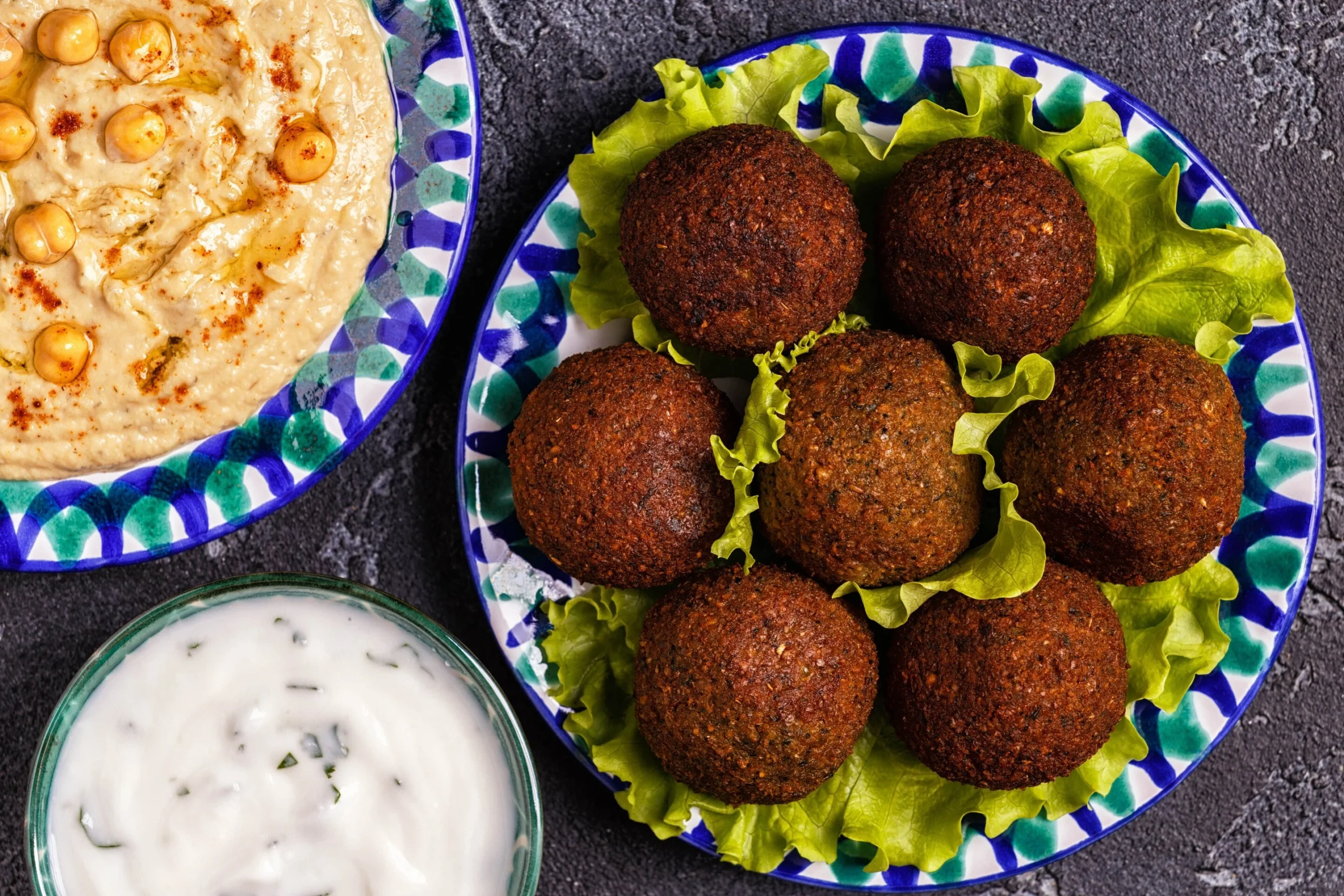
Traditional falafel takes center stage in this flavorful journey through one of the Mediterranean’s most beloved dishes. As a cornerstone of the Mediterranean diet, falafel exemplifies the region’s commitment to wholesome, plant-based eating—showcasing fresh vegetables, legumes, and olive oil in perfect harmony.
This humble yet extraordinary dish carries a rich history spanning thousands of years. From its ancient origins in Egypt and the Levant, falafel has traveled across continents, captivating taste buds from Beirut to Houston. Its enduring appeal lies in the perfect balance: a golden, crispy exterior giving way to a tender, herb-infused interior bursting with aromatic spices.
Join us as we explore what makes authentic falafel a timeless favorite and an essential pillar of Middle Eastern cuisine.
Mediterranean falafel represents the best of Middle Eastern culinary tradition—vibrant, nourishing, and deeply satisfying. The foundation of every authentic falafel begins with dried chickpeas (garbanzo beans) soaked overnight, a crucial step that transforms the legumes and creates the ideal texture for perfectly crisp falafel balls.
What truly sets Mediterranean falafel apart is its aromatic blend of fresh herbs and spices. Generous handfuls of parsley, cilantro, and dill mingle with warm cumin, earthy coriander, and a subtle kick of cayenne pepper. This combination delivers the signature flavor and vibrant green color that defines authentic falafel. The mixture is carefully shaped into balls or patties and fried in high-quality olive oil until golden and delightfully crunchy.
The traditional serving elevates this already exceptional dish: warm, pillowy pita bread cradling the hot falafel, drizzled with creamy tahini sauce and layered with crisp lettuce, ripe tomatoes, and tangy pickles. This classic Middle Eastern street food proves that the finest dishes come from the simplest, freshest ingredients.
Whether you’re grabbing a quick lunch or sitting down for a satisfying meal, Mediterranean falafel delivers an authentic taste of Middle Eastern tradition in every flavorful bite.
The historical origins of traditional falafel are as intriguing as the dish itself. While there is ongoing debate about its exact birthplace, falafel traces its roots back to ancient times. One theory suggests that the concept of falafel originated in Egypt, where it was made with ground fava beans and spices. In an authentic falafel recipe, dried fava beans are soaked overnight, sometimes peeled after soaking, before being ground and mixed with spices.
Over time, the recipe traveled to the Levant region, which comprises the eastern Mediterranean and western Asian areas today. At this point, it evolved into the chickpea-based falafel we all know and love today, with dried chickpeas soaked overnight replacing fava beans in many regional variations. Using dried chickpeas or dried fava beans that have been soaked overnight is essential for achieving the proper texture and flavor. Canned chickpeas are not traditionally used because they can cause the falafel to disintegrate and lack authentic flavor.
Authentic recipes do not use cooked chickpeas—soaked raw chickpeas are processed directly, as using cooked chickpeas can make the mixture too soft and cause the falafel to fall apart during frying.
Its affordability, availability, and plant-based nature made it a preferred choice for many, and it became a staple street food across the Levant. Naturally, migration and cultural exchanges in the Mediterranean played a significant role in spreading falafel to other countries. Jewish communities, in particular, contributed to its popularity. In their migration to Israel, traditional falafel became synonymous with Israeli cuisine.
The historical origins of falafel demonstrate its rich heritage and ability to transcend borders, making it a cherished dish loved by people from various cultures and backgrounds.
The intricate anatomy of falafel unravels many flavors and textures that create an irresistible culinary creation. At its core, falafel boasts a carefully orchestrated blend of delicious ingredients. To prepare the falafel mixture, add chickpeas (soaked overnight, with a pinch of baking soda added during soaking to soften them) to a food processor along with fresh parsley, chopped parsley, garlic cloves, and spices such as black pepper, cumin, coriander, and cayenne pepper. Be sure to add baking soda to the soaking water, as this step helps soften the chickpeas and improves the texture for forming and frying falafel. Process until the mixture forms a coarse meal—this texture is key for shaping and frying.
Lemon juice is added to brighten the flavor, and if the falafel dough is too wet, chickpea flour can be mixed in to help bind it. For a fluffy texture, add baking powder to the falafel mixture just before shaping. The mixture is then covered with plastic wrap and chilled to prevent moisture loss and to help the flavors meld.
When ready to shape, use a falafel scoop if available, or your hands, to form the falafel mixture into round balls or falafel patties. For extra crunch and nutty flavor, roll the falafel balls in sesame seeds before frying. Fry until golden brown for the best falafel, with a crispy exterior and a tender, aromatic center.
If you’re short on time, a store-bought falafel mix can be used as a shortcut. By following these preparation tips, you can achieve great falafel and even the best falafel, capturing the authentic taste and texture of this perfect falafel recipe.
While the classic rendition of falafel is based on chickpeas, many regional adaptations alter this dish. For example, in Egypt, fava beans act as the base. In other variations, chickpeas and fava beans are used for a unique fusion of flavor and texture.
Finally, everyone should try Traditional Falafel at least once to truly appreciate this culinary gem truly.
The secret to irresistible falafel lies in the texture of the falafel balls. Achieving that perfect balance between a crispy exterior and a fluffy, tender interior starts with using dried chickpeas that have been soaked overnight. After draining, the chickpeas are pulsed in a food processor with fresh herbs, garlic, and spices until the mixture forms a coarse meal—never too smooth, as a bit of texture is key for authentic falafel. Adding a touch of baking soda to the falafel mixture helps create a light, airy interior, while chickpea flour can be used to bind the dough if needed.
Shaping the falafel balls can be done by hand or with a falafel scoop for uniformity. Rolling them in sesame seeds before frying adds a delightful crunch and nutty flavor. The falafel balls are then fried in hot oil until they’re golden brown and crisp on the outside, yet soft and flavorful inside. By following these tips and using quality ingredients, you’ll create authentic falafel with a texture that’s sure to impress at any meal.
When it comes to cooking falafel, the method you choose can make all the difference in taste, texture, and overall experience. Whether you’re aiming for the classic crunch of street food or a lighter, health-conscious twist, there’s a perfect falafel recipe for every kitchen. Here are some of the most popular ways to cook falafel at home:
To deep fry falafel, heat cooking oil in a deep pot or skillet over medium heat (about 360-375°F). Carefully shape the falafel mixture into balls or patties, then use a slotted spoon to lower them into the hot oil gently. Fry falafel in batches, making sure not to overcrowd the pan, and cook for a typical cook time of 3-4 minutes per batch, or until golden brown and crispy. Remove the cooked falafel with the slotted spoon and drain on a paper towel-lined plate or paper towels to absorb excess oil.
To bake falafel as a healthier alternative, preheat your oven to 400°F. Shape the falafel mixture into patties and place them on a preheated, oiled baking sheet (lining with parchment paper is optional). Lightly brush the tops with olive oil and bake the falafel for about 20-25 minutes, flipping halfway through, until golden brown. Baked falafel may be slightly drier than fried, but it still delivers great flavor.
For a modern approach, you can use an air fryer to make cooked falafel. Arrange the shaped falafel in a single layer in the air fryer basket, spray lightly with oil, and cook at 375°F for 12-15 minutes, turning halfway through, until the exterior is crispy and the inside is fluffy.
No matter which method you choose, properly cooked falafel should have a crispy exterior and a tender, flavorful interior.
When it comes to the best falafel, regional traditions across the Middle East offer a delicious array of variations. In Egypt, falafel—known locally as ta’ameya—is made primarily with fava beans, resulting in a lighter, greener falafel that’s often served with tahini sauce and pickles. Lebanese falafel, on the other hand, relies on chickpeas as the main ingredient and is typically seasoned with a generous amount of fresh parsley and spices, then served in pita bread with lettuce, tomatoes, and a drizzle of tarator sauce.
Other regions may blend both chickpeas and fava beans for a unique flavor and texture. The choice of herbs and spices, such as cumin, coriander, and parsley, can also differ, giving each falafel recipe its own distinct character. Whether you prefer the earthy taste of fava beans or the nutty richness of chickpeas, exploring these regional variations is a delicious way to discover your personal best falafel.
From classic combinations to innovative creations, the possibilities for enjoying traditional falafel meals are as diverse and delicious. This tasty recipe can be enjoyed in many ways—serve falafel as a classic falafel sandwich in pita bread, topped with fresh veggies, cucumber slices, and even a sprinkle of feta cheese for extra flavor. For an added burst of flavor, consider using red onions as an alternative or additional topping. Whether nestled in a warm pita, starring in a mezze platter, or enjoyed among a bed of warm and fluffy rice, falafel captivates all flavor profiles with its enticing taste and versatile nature.
Sink your teeth into a time-honored tradition by indulging in the classic combination of falafel nestled within a warm, pillowy pita pocket or lavash bread. This meal creates an interplay of textures and flavors, as the crispy exterior of the falafel gives way to a tender, flavorful center. Enhance your experience by layering it with crisp lettuce, juicy tomatoes, tangy pickles, and velvety tahini sauce.
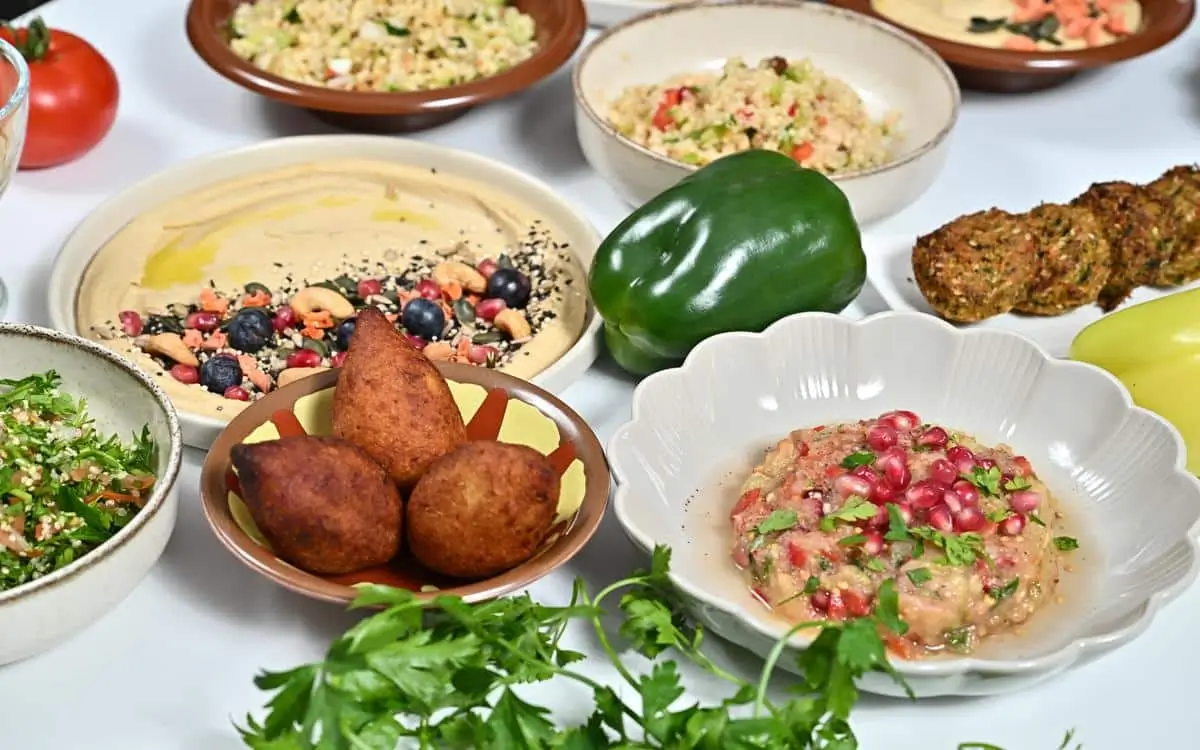
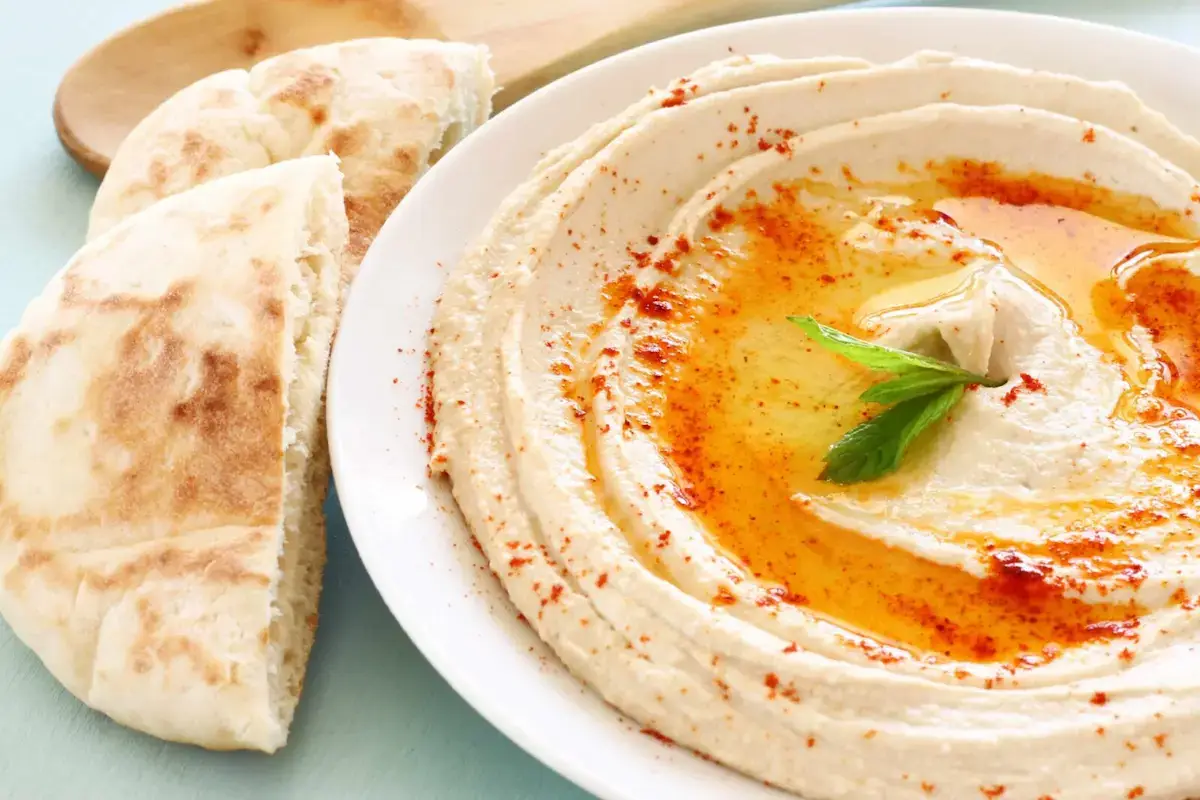
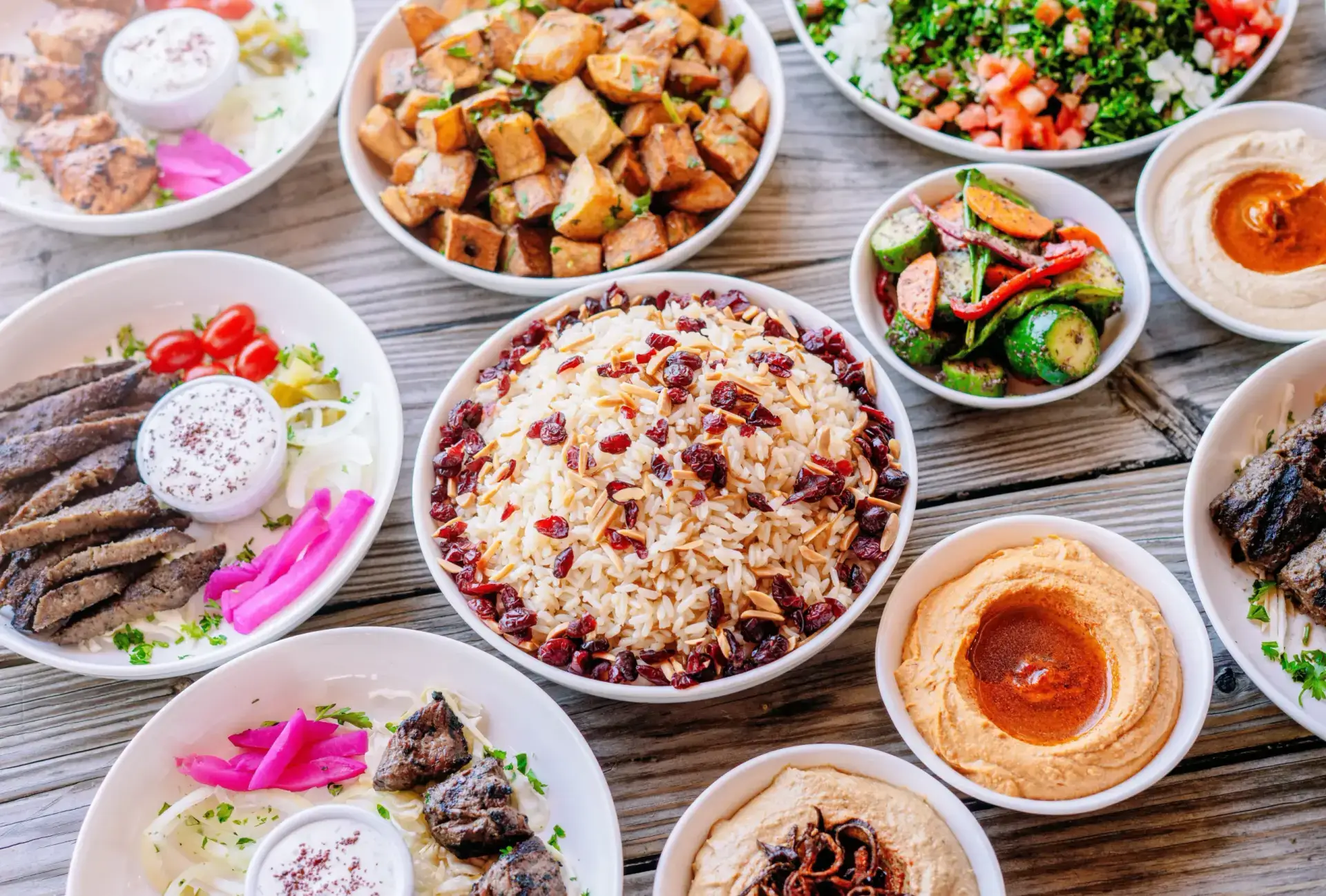
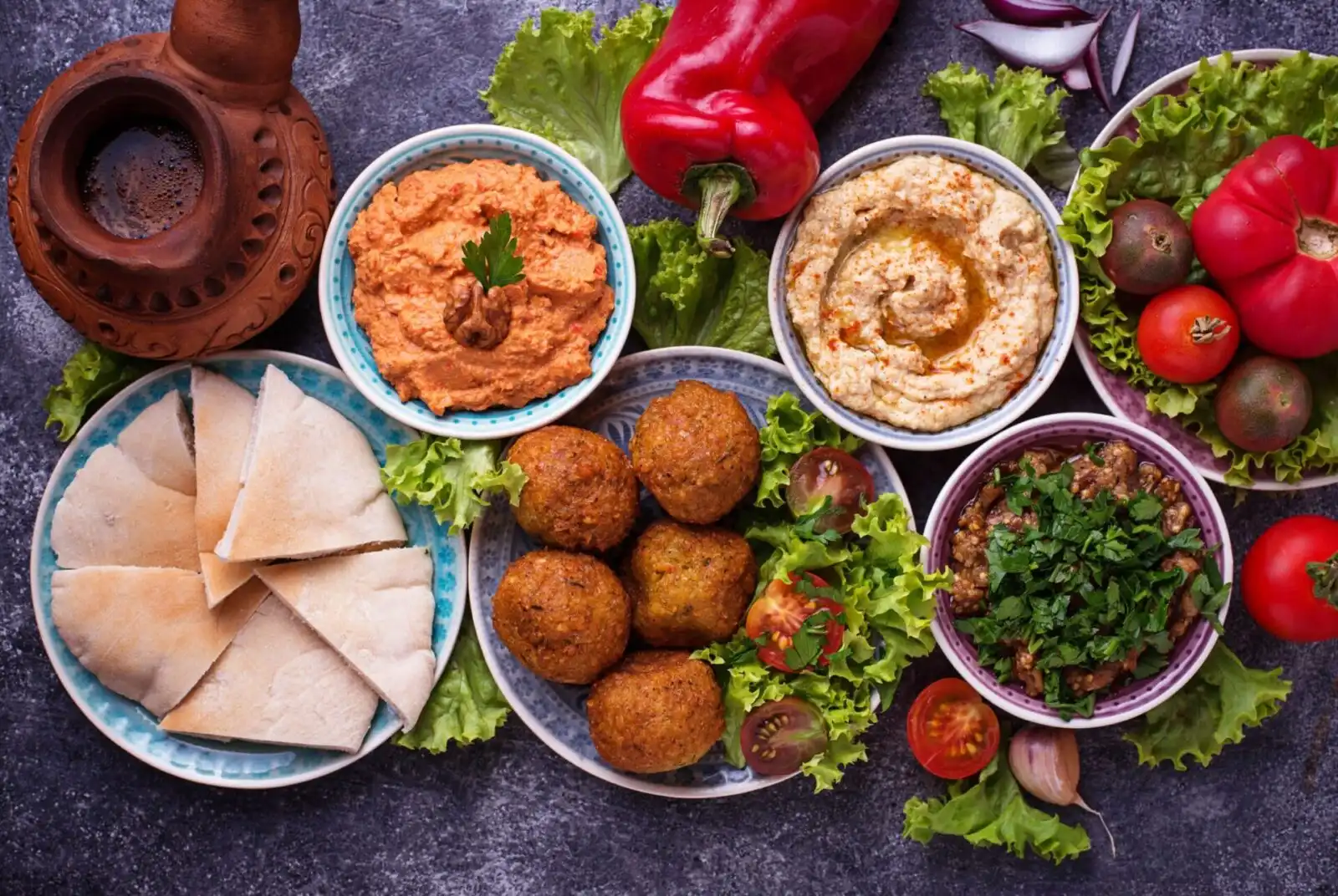
Unleash the true potential of falafel as it takes center stage in the realm of mezze. Create an enticing platter adorned with an array of small plates, where falafel harmonizes with creamy hummus, smoky baba ganoush, and refreshing tzatziki. Pair it with warm, freshly baked pita bread and pickled vegetables for even more flavor. The versatility of falafel shines in this mezze symphony, offering a medley of tastes and textures to elevate your senses.
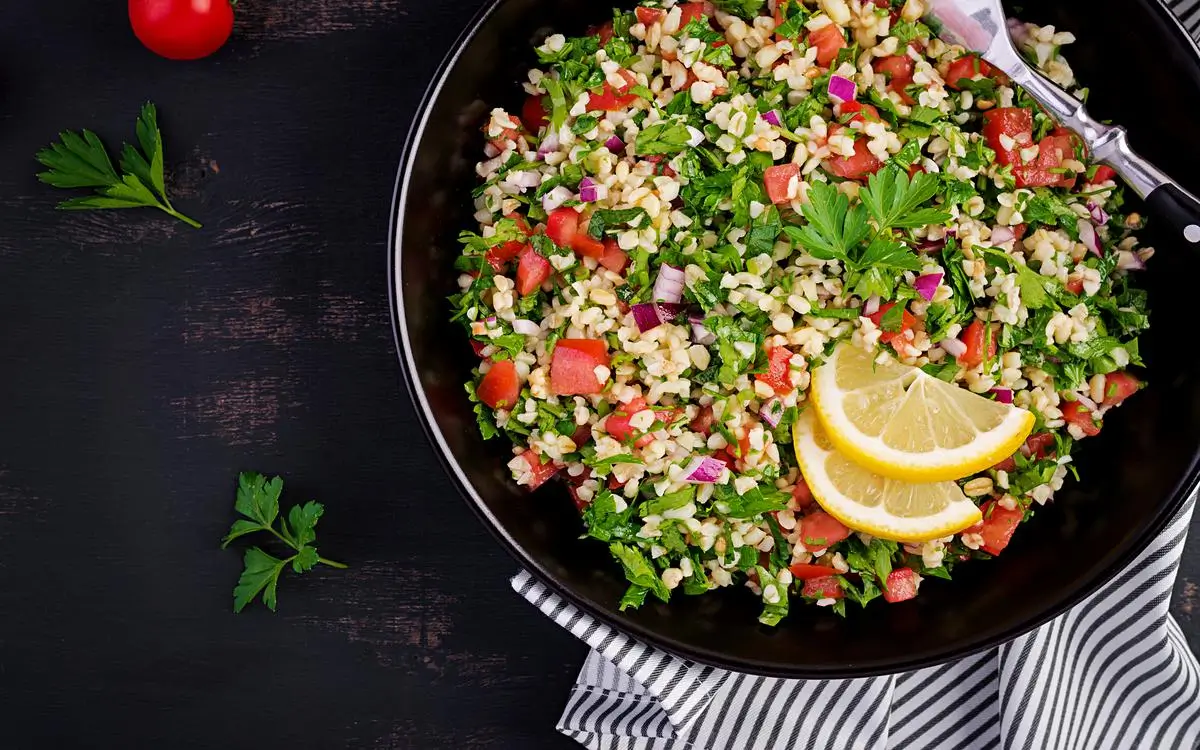
Consider pairing your traditional falafel with deliciously cooked basmati rice for a warm, hearty meal. The fluffy and aromatic grains intermingle harmoniously with the savory allure of falafel. Top your rice bowl with your choice of salad and sauce. Try it with tabbouleh for a burst of herbs, or add a simple lettuce base for some crunch. Drizzle tahini or tzatziki sauce on top for a savory finish.
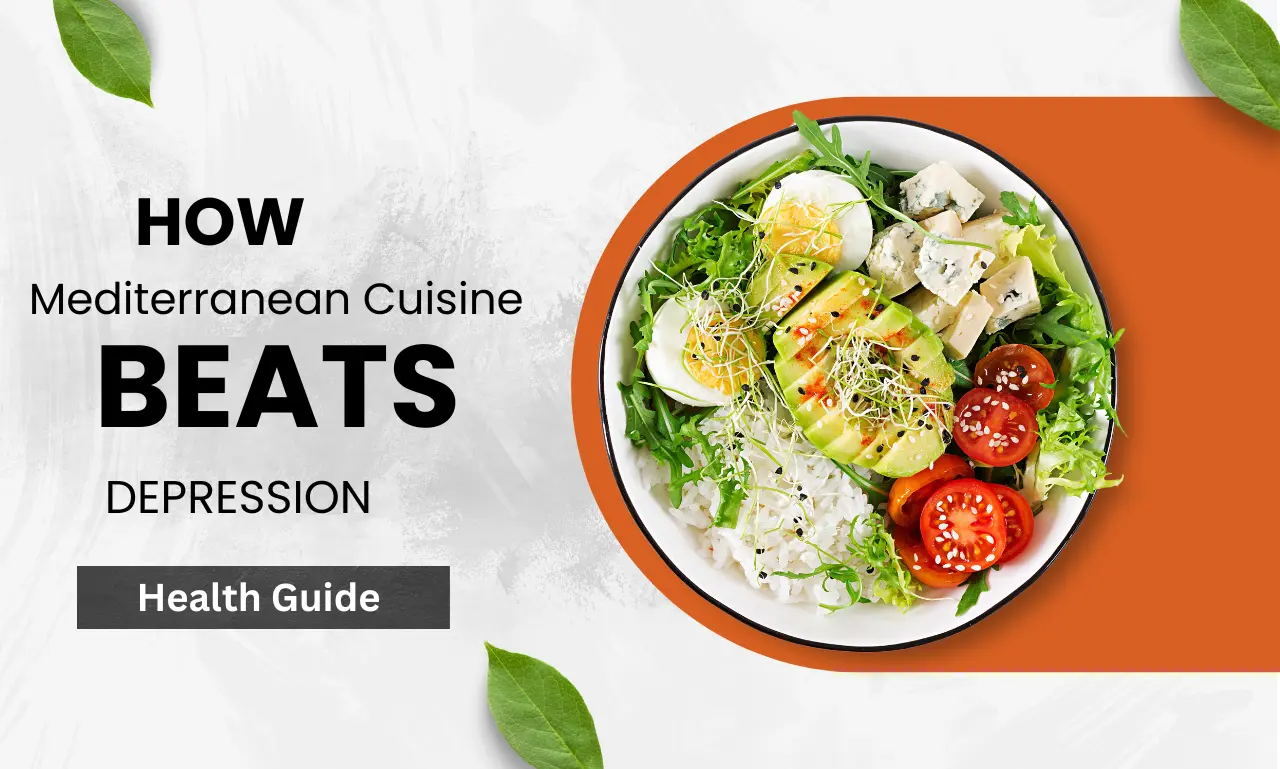
Falafel is a shining example of how delicious and nutritious the Mediterranean diet can be. This diet emphasizes whole grains, fresh vegetables, legumes, and healthy fats, making falafel a perfect fit. Packed with plant-based protein, fiber, and essential vitamins, falafel offers a satisfying and wholesome meal option. Serving falafel in whole wheat pita bread with a colorful array of fresh veggies and a drizzle of tahini sauce not only enhances the flavor but also boosts the nutritional value.
The Mediterranean diet is more than just a way of eating—it’s a lifestyle that celebrates balance, variety, and the joy of sharing meals with others. Falafel, whether enjoyed as a street food or at a family gathering, embodies these principles, making it a favorite for those seeking healthy recipes that don’t compromise on taste.
Middle Eastern cuisine is renowned for its bold flavors, aromatic spices, and generous use of fresh herbs, with falafel among its most iconic dishes. In the Middle East, food is a cornerstone of hospitality and social life, and sharing a plate of falafel is a cherished tradition. Whether served as a snack, appetizer, or main course, falafel brings people together, reflecting the warmth and generosity of Middle Eastern culture.
The use of fresh herbs like parsley and cilantro, along with spices such as sumac and cumin, gives Middle Eastern dishes their distinctive taste and aroma. Falafel is often enjoyed at bustling markets, family gatherings, and festive celebrations, each bite offering a taste of the region’s rich culinary heritage. By exploring Middle Eastern cuisine and culture, you’ll not only savor the flavors of authentic falafel but also gain a deeper appreciation for the traditions and stories behind this beloved dish.
Falafel’s popularity comes from many intertwined factors that converge to create its widespread adoration. At the forefront lies the mesmerizing combination of flavors that dance upon the palate. The aromatic herbs, carefully selected spices, and the contrast of a crispy exterior with a moist, flavorful core create a sensory experience that ignites the taste buds.
Yet, falafel‘s allure extends beyond its taste. Its versatility is a testament to its universal appeal, as it accommodates various dietary preferences. With its plant-based composition, falafel attracts vegetarians and vegans, offering a protein-rich alternative that satisfies even the pickiest of palates. In many restaurants, falafel is also gluten-free, further expanding its accessibility by catering to individuals with specific dietary restrictions. Falafel is also a staple in healthy recipes and fits perfectly into the Mediterranean diet, making it a favorite for those seeking nutritious, wholesome meal options inspired by Mediterranean eating habits.
Moreover, falafel’s popularity is deeply rooted in its cultural significance. Its nostalgic charm creates an emotional connection, fostering a deeper appreciation for its timeless appeal.
Through the interplay of exquisite flavors, culinary versatility, cultural resonance, and nutritional excellence, the falafel emerges as an unrivaled icon of popular dishes, captivating hearts and palates around the globe.
Falafel has come a long way throughout history, reaching hundreds of thousands of people. Its timeless allure rests in its delicious taste, culinary versatility, and cultural resonance.
When looking for a top-rated location in Houston to indulge in traditional falafel, Aladdin Mediterranean cuisine stands out above the rest. We transport diners on a culinary journey that captures the essence of classic Mediterranean cuisine through diverse menu options. Order online or visit us to experience a mouthwatering symphony of falafel flavors today.
You might like it