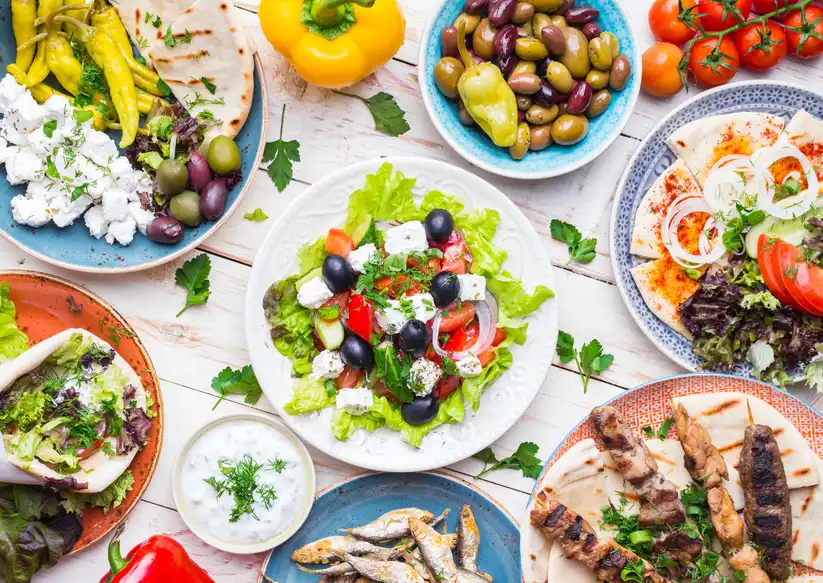
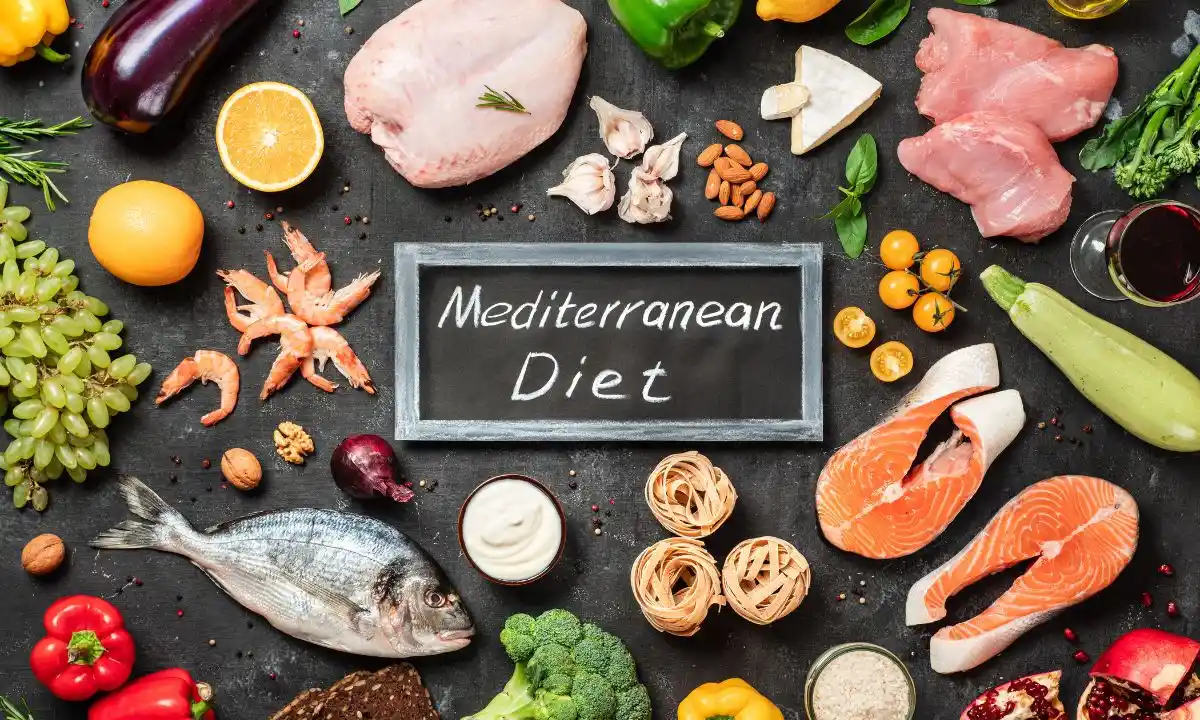
The keto mediterranean diet has taken the health and wellness world by storm, offering a powerful way to lose weight, boost energy, and improve overall health. The Mediterranean keto or Mediterranean keto diet is a hybrid approach that combines the high-fat, low-carb principles of the standard keto diet with the nutrient-rich, plant-forward foods of the traditional Mediterranean diet.
This approach emphasizes healthy fat content, draws on both Mediterranean and high-fat diet principles, and focuses on whole and nutritious foods as key components. But what if you could combine the benefits of keto with the rich, vibrant flavors of Mediterranean cuisine? In this guide, we’ll explore the fundamentals of the ketogenic diet and show you how to enjoy it with a Mediterranean twist, featuring Aladdin Mediterranean Grill’s delicious, nutrient-packed dishes.
Whether new to keto or a seasoned pro, this guide will inspire you to embrace a healthy, flavorful approach to low-carb eating.
What is the Keto Diet?
The ketogenic diet, commonly known as the keto diet, is a high-fat, low-carbohydrate eating plan designed to shift your body into a metabolic state called ketosis. In ketosis, your body primarily burns fat for energy instead of relying on carbohydrates. The keto diet is a type of high fat diet and is one of several popular low carb diets. This metabolic switch offers several benefits, including:
- Weight Loss: Since your body burns fat more efficiently, it becomes easier to shed excess weight. The keto diet is a low carbohydrate diet, and compared to other low carb diets, it restricts carbs more strictly to induce ketosis.
- Stable Blood Sugar Levels: Reducing carbohydrate intake minimizes blood sugar spikes and crashes, promoting better insulin sensitivity.
- Increased Energy: With fewer sugar crashes, many people experience steady and sustained energy levels throughout the day.
- Enhanced Mental Clarity: Ketones, the byproduct of fat metabolism, are a highly efficient fuel source for the brain, often improving focus and cognitive function.
How Does the Keto Diet Work?

The keto diet works by adjusting the ratio of macronutrients you consume, focusing on low carbs, high fats, and moderate protein. The typical macronutrient breakdown is:
- Low Carbohydrates (5-10% of daily calories): Usually, this amounts to about 20-50 grams of net carbs per day. Reducing carbs forces the body to stop using glucose as its primary energy source.
- High Fats (70-80% of daily calories): Healthy fats such as avocados, nuts, seeds, olive oil, and fatty fish become the main source of fuel. The healthy fat content of your meals is important, as the type of fat you consume—monounsaturated, polyunsaturated, or saturated—can affect health outcomes and nutrient intake. While coconut oil is a common saturated fat in many keto diets, the Mediterranean keto approach emphasizes olive oil and other healthy fats to optimize brain function and reduce inflammation.
- Moderate Protein (20-25% of daily calories): Protein intake is carefully balanced to help preserve muscle mass without interfering with ketosis.
Compared to a low-fat diet, which restricts fat intake and often focuses on minimizing saturated fats, the keto diet is the opposite, prioritizing high-fat consumption for energy and metabolic benefits.
Why Does the Keto Diet Promote Weight Loss?
One of the key reasons the keto diet is effective for weight loss, reducing body fat, and lowering body weight is that fat becomes readily available as fuel, and insulin levels drop, making it easier for the body to access and burn stored fat. One of the key benefits of the keto diet is its effectiveness for losing weight by specifically targeting body fat, which leads to improvements in body composition and overall health. Additionally, many people find the high-fat nature of the diet naturally reduces appetite and cravings, leading to a lower calorie intake without feeling deprived.
Other Benefits of the Keto Diet
Beyond weight loss and energy stability, the keto diet has been linked to several other health benefits:
- Improved Heart Health: Consuming healthy fats and reducing sugar intake can help lower cholesterol and blood pressure. The keto diet may increase HDL cholesterol and lower LDL cholesterol, which are important risk factors for heart disease and overall cardiovascular risk. Additionally, the keto diet may help improve glycemic control, which is beneficial for people with diabetes or those at risk for heart disease.
- Better Digestive Health: Many keto-friendly foods, such as leafy greens, nuts, and seeds, promote gut health.
- Anti-Inflammatory Effects: Lower sugar consumption and healthy fats can reduce inflammation, benefiting overall health.
When carbohydrate intake is drastically reduced, the liver starts breaking down stored fat into molecules called ketones through a process called ketogenesis. These ketones then replace glucose as the body’s primary energy source, fueling everything from your muscles to your brain.
Keto-Friendly Mediterranean Foods
The Mediterranean diet is naturally rich in keto-friendly foods, making it an excellent fit for a low-carb lifestyle. Mediterranean diets emphasize plant foods and green vegetables as key components, supporting heart health, brain function, and overall well-being. To maximize the health benefits of this approach, it is important to avoid heavily processed foods, which can undermine the positive effects of a nutrient-rich, plant-based eating pattern.
Healthy Fats (Foundation of Keto)
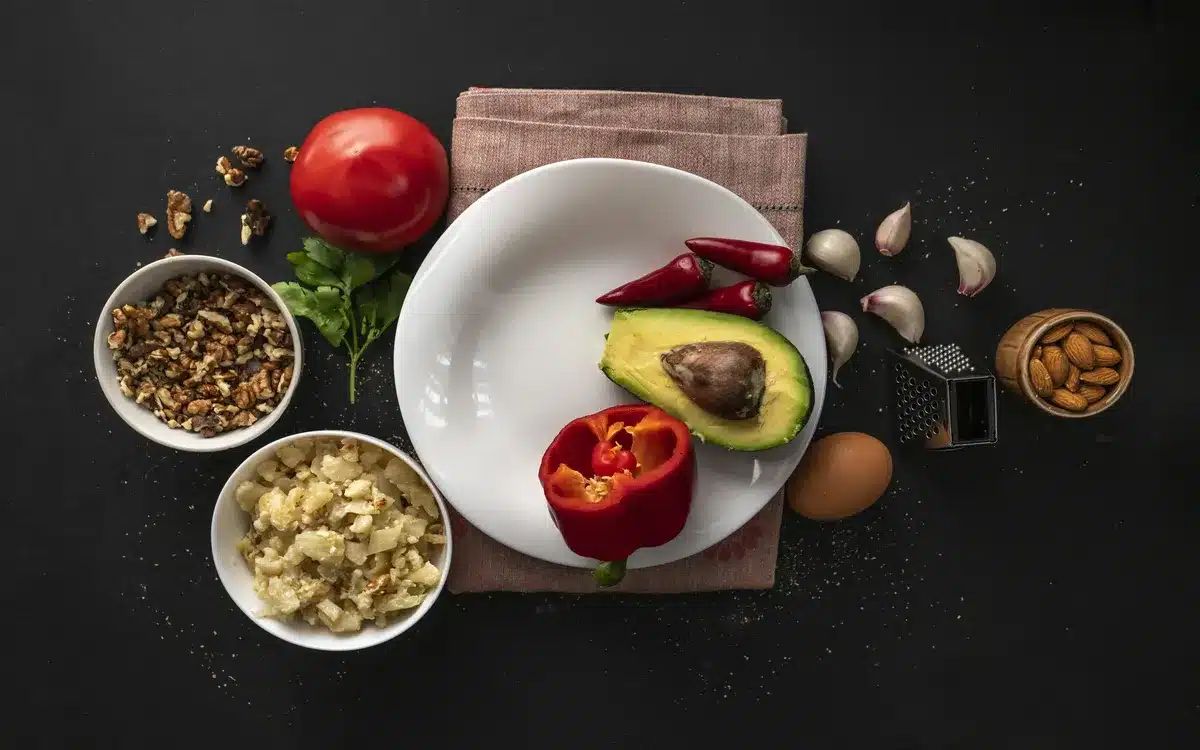
- Olive Oil – The heart of Mediterranean cooking, packed with antioxidants and healthy monounsaturated fats. Olive oil is an excellent source of healthy fat for the Mediterranean keto diet.
- Avocados – Loaded with heart-healthy fats and fiber. Avocados are also a top source of healthy fat, supporting brain health and reducing inflammation.
- Nuts & Seeds – Almonds, walnuts, macadamia nuts, and chia seeds offer protein and healthy fats.
- Tahini (Sesame Paste) – A Mediterranean staple rich in good fats and minerals.
High-Quality Proteins
- Lamb & Beef – Perfect for grilling, roasting, or slow-cooking with Mediterranean spices.
- Chicken & Turkey – A leaner option packed with protein.
- Fatty Fish (Salmon, Sardines, Mackerel) – Omega-3-rich and perfect for brain and heart health.
- Eggs – A keto powerhouse, versatile and nutrient-dense.
Low-Carb Vegetables
- Leafy Greens – Spinach, kale, arugula, and Swiss chard are rich in nutrients and fiber.
- Cruciferous Vegetables – Broccoli, cauliflower, and Brussels sprouts are low in carbs but high in fiber.
- Zucchini & Eggplant – Great for roasting, grilling, or spiralizing into noodles.
- Olives & Pickled Vegetables – Low in carbs and high in flavor.
Dairy & Fermented Foods
- Feta & Halloumi Cheese – Keto-friendly and perfect for adding Mediterranean flavor.
- Greek Yogurt (Full-Fat, Unsweetened) – Great for gut health when consumed in moderation.
Keto-Approved Fruits (in Moderation)
- Berries (Raspberries, Blackberries, Strawberries) – Low in sugar, high in fiber.
- Lemons & Limes – Great for flavoring dishes and enhancing digestion.
Foods to Avoid on the Keto Mediterranean Diet
To stay in ketosis, avoid high-carb Mediterranean staples. Limiting carbs is essential for entering and maintaining ketosis:
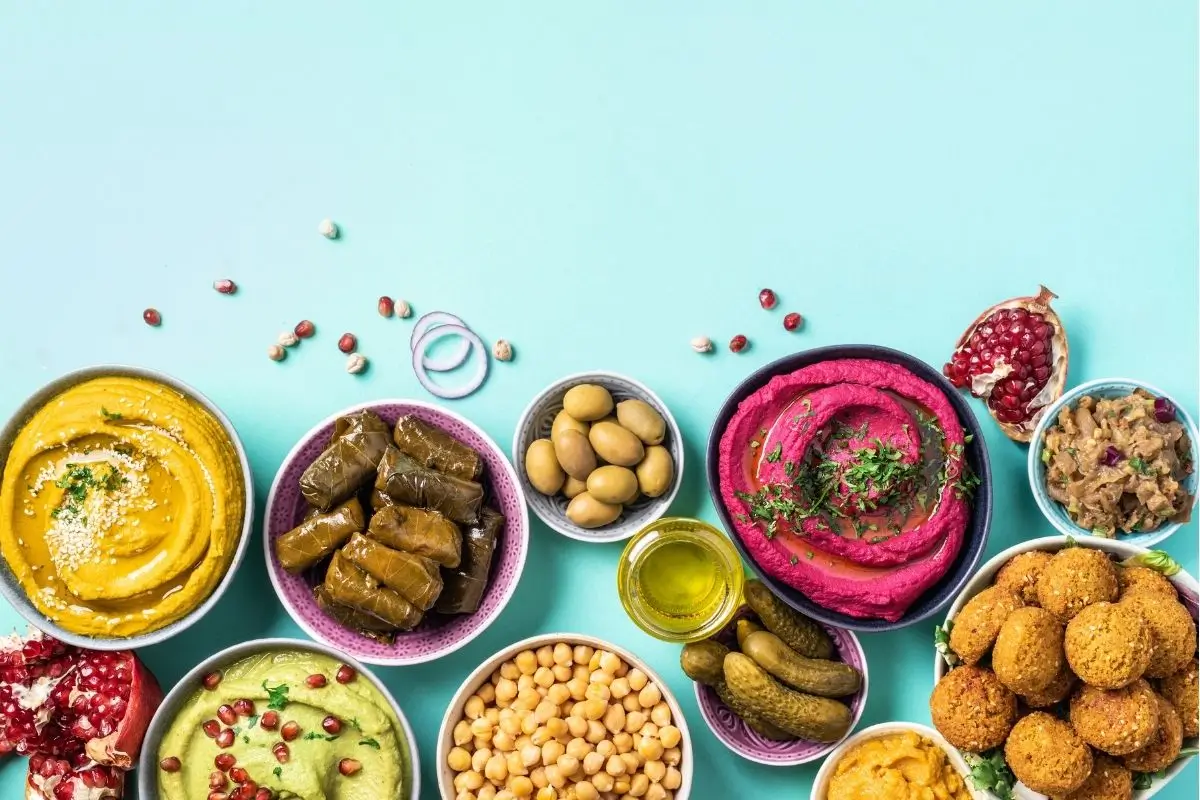
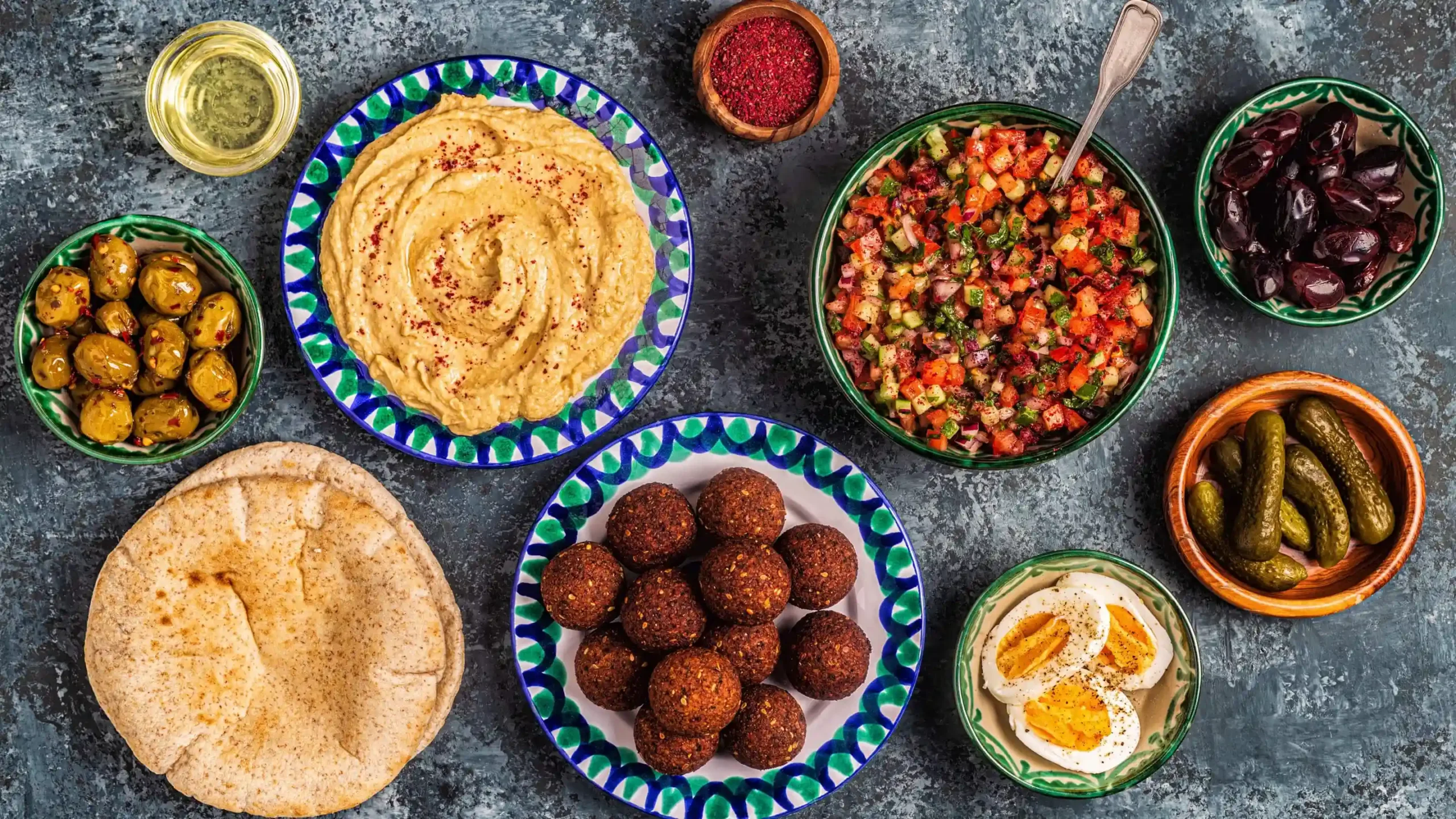
- Grains & Breads – Pita bread, rice, pasta, couscous, and whole grains. While whole grains are a staple of the traditional Mediterranean diet, they are avoided on the keto Mediterranean diet to limit carbs and maintain ketosis.
- Starchy Vegetables – Potatoes, corn, and chickpeas.
- High-Sugar Fruits – Bananas, grapes, mangoes, and figs.
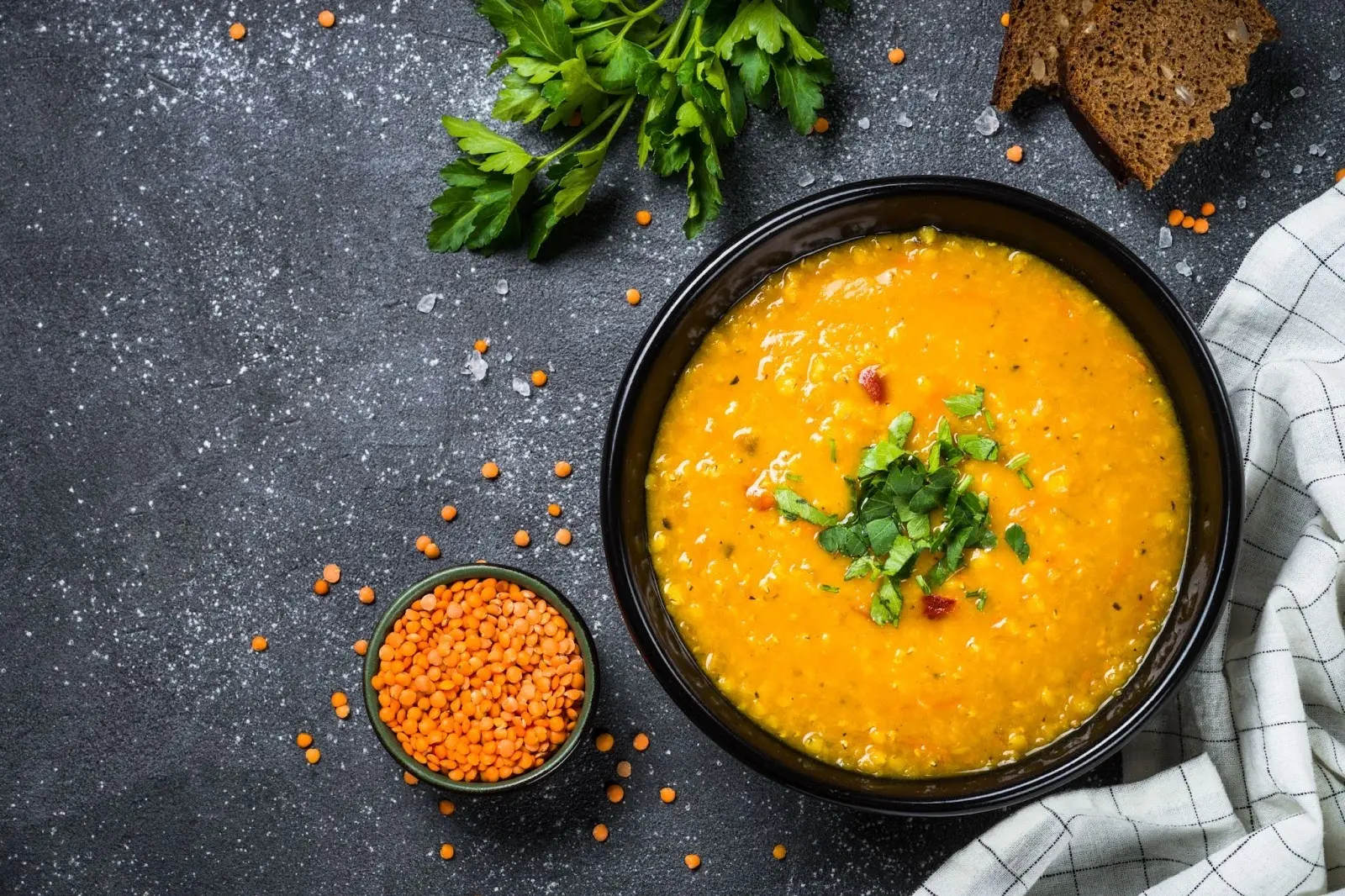
- Legumes – Lentils, beans, and hummus (unless in very small amounts).
- Sugary Foods – Baklava, processed desserts, and sweetened yogurt.
Keto Mediterranean Meals at Aladdin Mediterranean Grill
At Aladdin Mediterranean Grill, you can enjoy keto-friendly meals without sacrificing flavor. Try these:
- Grilled Lamb Chops – Marinated in olive oil, garlic, and herbs.
- Lamb or Chicken Kebabs – Skewered with bell peppers and zucchini.
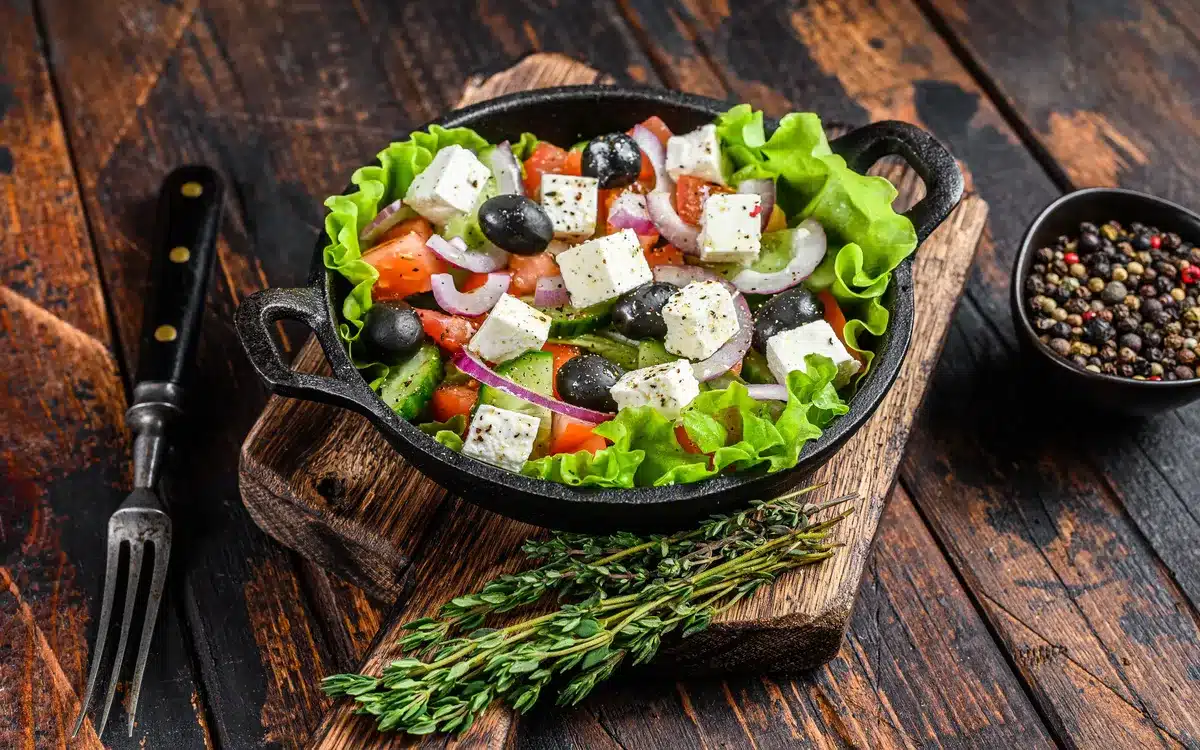
- Greek Salad (No Croutons) – Loaded with feta, olives, cucumbers, and olive oil.
- Salmon Fillet with Lemon Butter Sauce – Served with sautéed spinach and almonds.
- Baba Ganoush (Eggplant Dip) – A delicious, smoky dip made with roasted eggplant and tahini.
The Health Benefits of a Keto Mediterranean Diet

- Pairing keto with Mediterranean eating creates the Mediterranean keto diet, an approach that combines the benefits of both diets for improved health.
- Weight Loss – Burns fat efficiently without calorie counting. Choosing nutritious foods is essential for optimal results.
- Health – Olive oil and omega-3s reduce inflammation and improve cholesterol. The Mediterranean keto diet can reduce cardiovascular risk and improve risk factors for heart disease.
- Better Blood Sugar Control – Stabilizes insulin and prevents sugar crashes.
- Brain & Cognitive Boost – Ketones fuel the brain, improving mental clarity. Reduced
- Inflammation – Helps with arthritis, acne, and chronic conditions.
Glycemic Control and the Keto Mediterranean Diet
One of the standout benefits of the keto Mediterranean diet is its positive impact on glycemic control. By blending the low-carb principles of the ketogenic diet with the nutrient-rich foods of the Mediterranean diet, this approach helps regulate blood sugar and improve insulin sensitivity. Healthy fats from olive oil, nuts, and fatty fish, along with an abundance of low carb vegetables, work together to stabilize blood glucose levels throughout the day.
Research on the Spanish Ketogenic Mediterranean Diet has shown significant improvements in fasting blood glucose, making it a promising option for those managing diabetes or prediabetes. The focus on whole, unprocessed foods and the avoidance of high-glycemic carbohydrate foods help minimize blood sugar spikes and crashes. By prioritizing low carb vegetables and healthy fats, the keto Mediterranean diet supports steady blood glucose control and overall metabolic health.
Brain Health and the Keto Mediterranean Diet
Supporting brain health is another compelling reason to embrace the keto Mediterranean diet. The combination of healthy fats from olive oil and fatty fish provides the brain with a steady supply of energy, while the diet’s emphasis on leafy greens and other non starchy vegetables delivers powerful antioxidants that protect against oxidative stress and inflammation.
Nutritional ketosis, achieved through a ketogenic Mediterranean diet, has been linked to improved cognitive function and may help reduce the risk of neurodegenerative diseases such as Alzheimer’s. Studies have also shown therapeutic benefits for individuals with epilepsy and other neurological disorders. By fueling your body with nutrient-dense, brain-boosting foods and minimizing starchy vegetables, the keto Mediterranean approach offers a proactive way to support long-term brain health and cognitive vitality.
Blood Sugar Management on a Keto Mediterranean Diet
Effective blood sugar management is at the heart of the keto Mediterranean diet. By limiting carbohydrate intake and focusing on healthy fats and quality proteins, this eating style helps keep blood glucose levels stable and supports better insulin sensitivity. The Mediterranean diet’s emphasis on whole, minimally processed foods further reduces the risk of blood sugar spikes caused by highly processed foods and refined sugars.
Low carb vegetables, especially leafy greens and other non starchy vegetables, are rich in fiber and antioxidants, which help slow glucose absorption and promote better blood sugar control. For individuals with diabetes or prediabetes, adopting a keto Mediterranean diet can lead to improved glycemic control and a reduced risk of complications related to poor blood sugar management. By making smart food choices and prioritizing nutrient-dense, low carb options, you can take charge of your blood sugar and overall health.
How to Start a Keto Mediterranean Diet
- Calculate Your Macros – Use a keto calculator to determine your ideal intake.
- Plan Your Meals – Create a weekly meal plan with Mediterranean-inspired keto recipes. To get started, consider following a sample meal plan that demonstrates how to balance high-fat Mediterranean and keto-friendly foods in your daily routine.
- Stock Your Kitchen – Replace high-carb foods with keto staples like olive oil, nuts, and cheese.
- Track Your Progress – Use an app or food journal to monitor your ketosis levels.
- Stay Hydrated – Drink plenty of water and replenish electrolytes (sodium, magnesium, potassium).
Tips for Success on the Keto Mediterranean Diet
Achieving your health goals on the keto Mediterranean diet is all about making smart, sustainable choices. Here are some practical tips to help you thrive:
- Prioritize Healthy Fats: Make olive oil, avocado, and fatty fish the cornerstone of your meals for optimal energy and heart health.
- Choose Low-Carb Vegetables: Fill your plate with leafy greens and other non starchy vegetables to keep your carb intake low while maximizing nutrients.
- Incorporate Quality Proteins: Enjoy a variety of protein-rich foods like poultry, beef, and lamb to support muscle health and satiety.
- Stay Hydrated: Drink plenty of water and avoid sugary beverages to help regulate blood sugar and support overall well-being.
- Monitor Carbohydrate Intake: Keep your daily net carbs between 20-50 grams to maintain ketosis and support weight loss.
- Track Your Progress: Use a food journal or app to monitor your meals, blood sugar, and ketone levels for the best results.
By focusing on whole, unprocessed foods and being mindful of your choices, you can enjoy the many health benefits of the keto Mediterranean lifestyle.
Common Mistakes to Avoid on the Keto Mediterranean Diet
While the keto Mediterranean diet offers many health benefits, there are a few common pitfalls to watch out for:
- Not Restricting Carbohydrates Enough: Failing to limit carbohydrate intake can prevent you from reaching nutritional ketosis and reaping the full benefits of the diet.
- Neglecting Healthy Fats: Skipping out on healthy fats like olive oil and fatty fish can leave you feeling low on energy and may impact your overall health.
- Consuming Too Much Saturated Fat: While some saturated fat is acceptable, relying too heavily on animal fats and processed meats can increase your risk of cardiovascular disease. Focus on unsaturated fats for optimal health.
- Overlooking Hydration and Sleep: Not drinking enough water or getting adequate rest can hinder your progress and affect your well-being.
- Ignoring Food Quality and Portions: Eating highly processed foods or oversized portions can sabotage your results, even if they’re technically low in carbs.
By avoiding these mistakes and sticking to the core principles of the Mediterranean diet—emphasizing healthy fats, lean proteins, and plenty of low-carb vegetables—you’ll be well on your way to achieving optimal health and enjoying the vibrant flavors of keto Mediterranean cuisine.
Keto Diet FAQs
1. Can I eat carbs on keto?
Yes, but only 20-50g of net carbs per day, mainly from vegetables and nuts.
2. How long does it take to enter ketosis?
Typically 2-7 days, depending on carb intake and activity level.
3. Is the keto diet safe for everyone?
It’s generally safe, but consult a doctor if you have medical conditions.
4. Can I exercise on keto?
Yes! Your body adapts to using fat for fuel, improving endurance over time.
5. What are the best keto snacks?
Almonds, cheese, boiled eggs, olives, and avocado.
Conclusion: A Perfect Fusion of Keto & Mediterranean Flavors
The Keto Mediterranean Diet is a delicious, sustainable way to improve your health while enjoying the bold flavors of Mediterranean cuisine. By focusing on healthy fats, quality proteins, and low-carb vegetables, you can reap the benefits of both diets while staying in ketosis.
At Aladdin Mediterranean Grill, we make it easy for you to enjoy keto-friendly Mediterranean dishes. Whether savoring grilled lamb chops or drizzling olive oil over a fresh Greek salad, your journey to better health starts here!