Gluten-Free Pita Bread: What It's Made Of and Where to Find It
Traditional pita is made from wheat, so it is not gluten-free. If you need a gluten-free version, it has to be built on different flours entirely — almond, cassava, chickpea, or a gluten-free blend standing in for the wheat. A handful of store brands sell it, and with the right flour mix you can bake one at home too.
Is regular pita bread gluten-free?
No, it isn't. Classic pita is a wheat bread. That goes for Arabic, Greek, and Lebanese-style pita, and for nearly every pita pocket you'll grab at a restaurant or off a grocery shelf. Wheat flour means gluten. A good rule: if the package doesn't say "gluten-free" and name a gluten-free flour, treat it as wheat.
An honest note from Aladdin: our pita is the real, traditional kind, made with wheat flour. So it is not gluten-free, and we'd rather you hear that from us before you order. The good news is that a lot of what we cook starts from naturally gluten-free ingredients in the first place — hummus made from chickpeas, grilled kabobs, fresh salads. But kitchens share surfaces, and prep changes from dish to dish, so please confirm the ingredients and any cross-contact risk with us before you order.
What is gluten-free pita bread made of?
| Flour base | Flavor / texture | Note |
|---|---|---|
| Almond flour | Soft, nutty, tender | Tree-nut allergen; not nut-free |
| Cassava flour | Neutral, chewy, grain-free | Closest to classic pita bite |
| Chickpea flour | Earthy, protein-rich | Traditional in Mediterranean cooking |
| GF all-purpose blend | Varies by brand | Often rice/starch based with a binder; if it contains oats, only safe when certified gluten-free |
Source: General gluten-free baking guidance; verify each product label.
It swaps wheat for one or more flours that never had gluten to begin with, then leans on a binder to do the job gluten normally does — psyllium husk, xanthan gum, or eggs are the common choices. That's what gives the dough enough stretch to puff into a pocket. The bases you'll see most:
- Almond flour. Nutty, soft, with more protein and fat than a grain flour.
- Cassava flour. Neutral and grain-free. Honestly the closest thing to a real chewy pita bite.
- Chickpea (garbanzo) flour. Earthy, protein-heavy, and already a fixture in Middle Eastern cooking.
- Brown rice or oat flour blends. Usually the backbone of those all-purpose gluten-free mixes. Note that oats are only safe on a gluten-free diet if they are certified gluten-free, since standard oats are often cross-contaminated with wheat during growing and processing.
One thing to expect: without wheat gluten trapping the air, these breads tend to come out flatter or denser, and many recipes never balloon into a proper pocket at all.
Store brands and naturally gluten-free Mediterranean foods
A few brands do make certified gluten-free pita or flatbread, usually tucked into the bread aisle, the freezer case, or a health-food grocer. Don't just trust the word "pita" on the front — look for the gluten-free label, and a third-party certification mark if the package has one. Stock comes and goes, so your best bet is to walk the gluten-free section of whatever store you actually shop at.
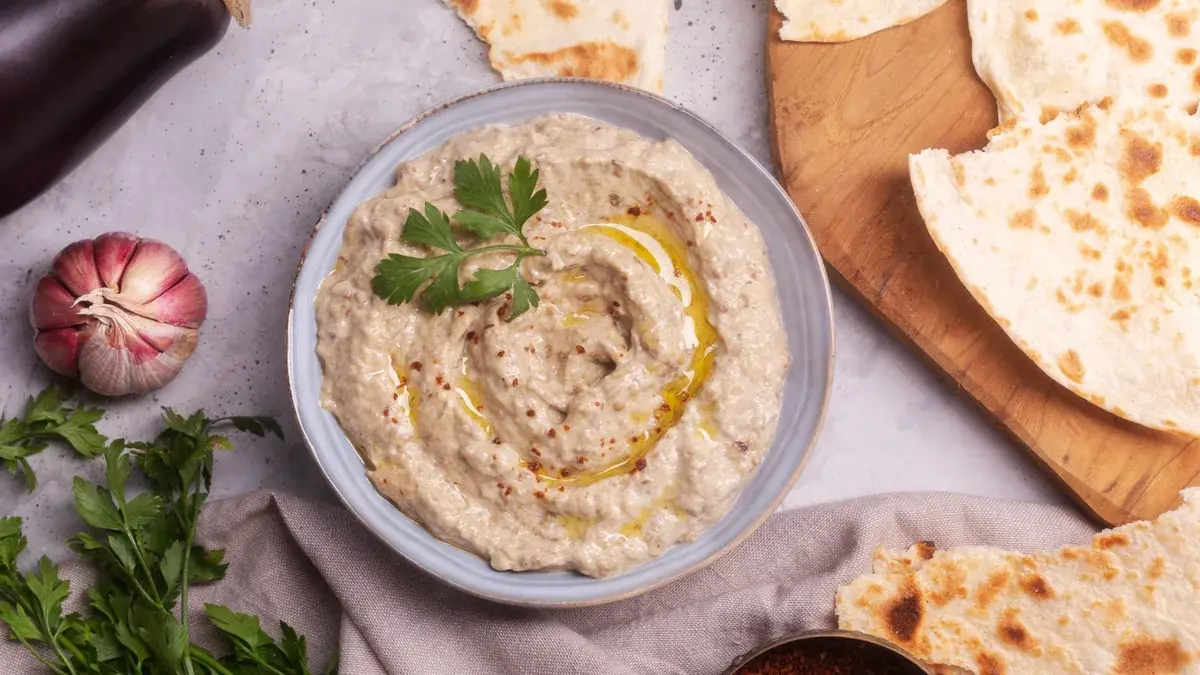
And you really don't have to give up Mediterranean food to eat this way. So much of it starts from chickpeas, vegetables, and grilled meat instead of wheat: hummus, baba ganoush, grilled kabobs, rice, fresh salads. The catch is in the details. Sauces, marinades, and shared fryers or grills are where gluten can sneak back in, so confirm how a dish is prepared and ask about cross-contact before you order. There's more on healthy Mediterranean food in Houston if you want to dig in.
Can you make gluten-free pita at home?
You can, yes. A basic version isn't complicated: a gluten-free all-purpose blend (or cassava or chickpea flour), a binder like psyllium husk or xanthan gum, plus water, oil, salt, and either yeast or baking powder. Let the dough rest, roll it into thin rounds, and bake them on a screaming-hot stone or skillet. The heat throws off steam, and that steam is what coaxes a pocket open.
The real upside of doing it yourself is that you decide exactly what goes in, which matters a lot if you're dodging nuts or dairy or eggs on top of gluten. Just go in expecting a few flops first. Gluten-free dough behaves nothing like wheat dough, and it takes a round or two to get a feel for it. If you're not avoiding gluten, here are ways to enjoy pita bread.
Aladdin bakes one pita — fluffy brick-oven Lebanese pita, fresh daily and halal in Houston. We don't make a gluten-free version, but you're always welcome to taste the original.
See the Menu
Frequently asked questions
Is pita bread gluten-free?
Traditional pita is a wheat bread, so no, it isn't gluten-free. The only pita that's safe on a gluten-free diet is one specifically labeled gluten-free and made from flours like almond, cassava, or chickpea instead of wheat.
Is Aladdin's pita gluten-free?
No. Aladdin's pita is the traditional kind, made with wheat flour, so it is not gluten-free. Plenty of our other dishes, like hummus, grilled kabobs, and salads, are often naturally gluten-free, but please check the ingredients and ask us about cross-contact before you order.
What flour is used for gluten-free pita?
Usually almond flour, cassava flour, chickpea (garbanzo) flour, or a gluten-free all-purpose blend. Most recipes also add a binder, like psyllium husk or xanthan gum, since there's no gluten to help the dough hold a pocket.
Is gluten-free pita safe for people with celiac disease?
Only when it's clearly labeled gluten-free and prepared without cross-contact. If you have celiac disease or gluten sensitivity, read the labels closely, look for a certification mark, and lean on guidance from a qualified healthcare professional. This page is educational, not medical advice.